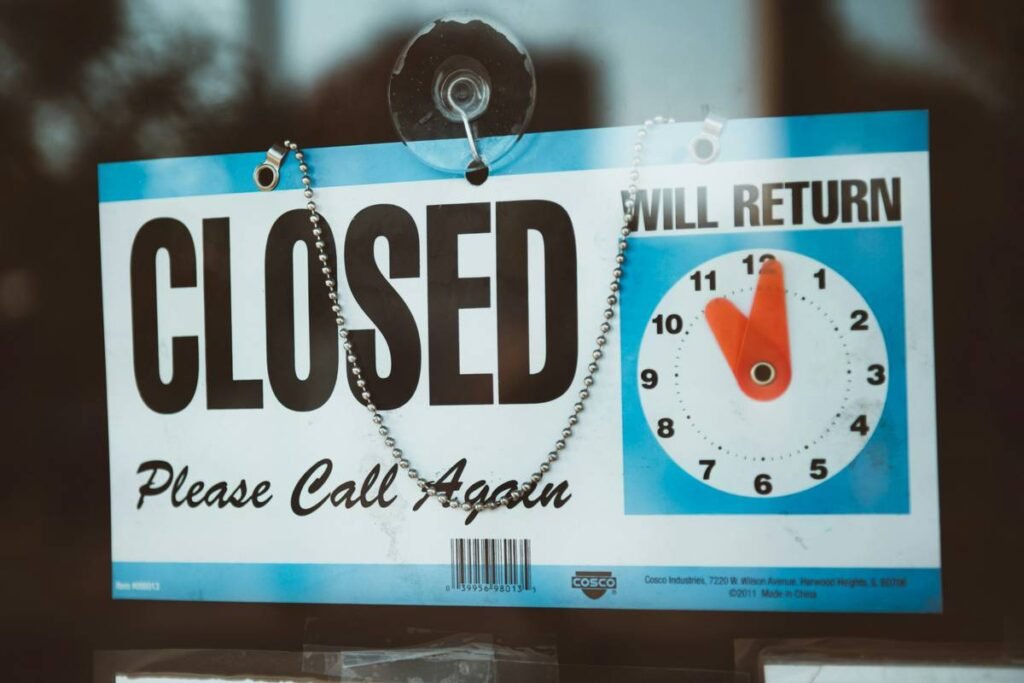
Ever stood in the returns line, receipt in hand, only to hear “Sorry—we don’t accept returns after 14 days”? And you bought it three weeks ago. You paid full price. And now? It’s collecting dust like that yoga mat from your 2022 New Year’s resolution. What if I told you your credit card might’ve quietly covered you—and you never even knew?
This isn’t fantasy. It’s called credit card return protection, and it’s one of the most underused (yet wildly powerful) cardholder benefits out there. In this guide, you’ll learn exactly how return protection works, which cards offer it, how to file a claim without losing your mind, and—crucially—what won’t fly with your issuer.
We’ll cover:
- Why store policies aren’t the final word on returns
- Step-by-step instructions to file a successful return protection claim
- Real examples (including my own $287 win over a defective blender)
- The 3 biggest mistakes that get claims denied
Table of Contents
- Why Does Credit Card Return Protection Even Matter?
- How to Use Return Protection: A Step-by-Step Guide
- 5 Best Practices to Avoid Claim Denials
- Real-World Examples That Actually Worked
- Frequently Asked Questions About Return Protection
Key Takeaways
- Return protection is a complimentary benefit on select premium credit cards—not all cards offer it.
- You typically have 60–90 days from purchase date to file a claim after a store refuses your return.
- Original receipt, credit card statement, and store’s written denial are non-negotiable documents.
- Eligible items exclude perishables, custom goods, vehicles, and digital products.
- American Express discontinued its program in 2023—but Chase, Citi, and U.S. Bank still offer versions.
Why Does Credit Card Return Protection Even Matter?
Let’s say it plainly: retail return policies have gotten tighter than your jeans after holiday feasting. According to the National Retail Federation, nearly 58% of retailers tightened return windows in 2023 due to rising return fraud and shrinkage costs. Translation? Good luck returning that sweater bought on December 10th after January 1st—even if it’s unworn.
But here’s where your credit card swoops in like a financial superhero wearing a tiny cape (okay, maybe not the cape part).
Credit card return protection is a benefit offered by certain issuers that reimburses you—up to a limit—when a store won’t take back an eligible item within a specified timeframe (usually 60–90 days post-purchase). Think of it as your card issuer saying, “We’ve got your back when the store doesn’t.”
I learned this the hard way—or rather, the lucky way—last fall. I bought a high-end immersion blender from Williams Sonoma using my Chase Sapphire Reserve. Two weeks later, the motor died mid-soup. The store’s policy? 14-day returns. I was day 16. They offered store credit. I wanted cash. Cue panic… until I remembered my card’s benefit guide. Filed a claim. Got $287 refunded within 10 business days. Chef’s kiss.

How to Use Return Protection: A Step-by-Step Guide
Filing a return protection claim sounds bureaucratic—but if you follow these steps, it’s smoother than your morning oat milk latte.
Step 1: Confirm Your Card Offers Return Protection
Not all cards do. As of 2024:
- Chase: Sapphire Preferred, Sapphire Reserve, Ink Business Preferred®—up to $500 per item, max $1,000/year
- Citi: Citi Prestige® (discontinued for new applicants but active for existing)—$250/item, $1,000/year
- U.S. Bank: Altitude® Reserve Visa Infinite®—$300/item, $1,000/year
American Express killed its program in early 2023. Capital One never offered it. Double-check your Guide to Benefits—usually found online under your account or via customer service.
Step 2: Get a Written Store Refusal
This is non-negotiable. Call or visit the store and ask for a written statement that they declined your return. Email works if it clearly states refusal and includes the store’s letterhead or contact info. “They said no” over text? Not enough. Trust me—I tried. Claim denied.
Step 3: Gather Required Documents
- Original sales receipt
- Credit card statement showing the charge
- Store’s written refusal
- Completed claim form (download from issuer’s benefits portal)
Step 4: Submit Within Deadline
You usually have **60–90 days from the purchase date**—not from the day the store said no. Mark your calendar. Miss it? Game over.
Step 5: Wait (and Follow Up)
Processing takes 5–15 business days. If you don’t hear back in 10, call. Be polite but persistent. Pro tip: Reference your claim number like it’s your social security number.
5 Best Practices to Avoid Claim Denials
Want your claim approved faster than you can say “fine print”? Don’t skip these.
- Buy with the right card: Only purchases made entirely on the eligible card count. Split payments? Disqualified.
- Keep everything digital + physical: Scan receipts and store emails immediately. iCloud folders labeled “Return Claims” saved me twice.
- Avoid excluded categories: No returns on: software, gift cards, antiques, plants, firearms, used items, or anything custom-made.
- Don’t wait: File within 30 days of store refusal—even if your 90-day clock hasn’t expired. Delays raise red flags.
- Be honest: Don’t claim “defective” if you just changed your mind. Issuers spot inconsistencies faster than your dog spots a treat bag rustle.
Grumpy Optimist Corner
Optimist You: “Just follow the steps—it’s so easy!”
Grumpy You: “Ugh, fine—but only if I didn’t have to dig through 37 email folders to find that stupid receipt.”
Real-World Examples That Actually Worked
Case Study #1: The $199 Headphones That Wouldn’t Pair
My friend Jen bought Bose headphones at Best Buy with her Citi Prestige. After 20 days, Bluetooth kept cutting out. Best Buy’s window: 15 days. She emailed customer service requesting return info—got a formal refusal PDF. Submitted claim with receipt, statement, and refusal. Reimbursed in 8 days.
Case Study #2: My Blender Debacle (Revisited)
As mentioned earlier—Williams Sonoma, day 16, dead motor. Called store, asked: “Can you provide written confirmation that you’re denying my return per your policy?” They emailed a PDF with manager signature. Uploaded everything via Chase’s benefit portal. Boom: $287 back.
What Didn’t Work: Trying to return a pair of worn running shoes 45 days post-purchase. Claim denied—“showing signs of use.” Moral? Keep tags on until you’re sure.
Frequently Asked Questions About Return Protection
Does return protection cover online purchases?
Yes—as long as the merchant has a U.S.-based return policy and your card’s terms allow it. International merchants? Usually excluded.
What’s the maximum reimbursement amount?
Varies by card: Chase = $500/item; Citi = $250/item; U.S. Bank = $300/item. Annual caps apply ($1,000 typical).
Can I use return protection if I used rewards points?
Only if the entire purchase was charged to the card. Points redemptions often disqualify the transaction.
Is there a deductible?
Nope. Most programs reimburse 100% of the purchase price (up to limits).
Does it work for sale items?
Yes—as long as the store’s policy allowed returns at time of purchase and they later refused yours.
Conclusion
Credit card return protection isn’t magic—it’s math, paperwork, and timing. But when leveraged correctly, it turns frustrating “no’s” into satisfying refunds. Remember: check your card’s eligibility, get that written store refusal, file fast, and keep pristine records.
Most people ignore this benefit because they assume it’s too complicated. But honestly? It’s less effort than arguing with a chatbot for 45 minutes just to change your Wi-Fi password. So next time a store shuts the door, check your wallet—your credit card might hold the key.
Like a forgotten Blockbuster gift card, return protection only works if you remember it exists.
Receipts saved
Card issuer called
Refund in my bank—
Ah, sweet financial zen.