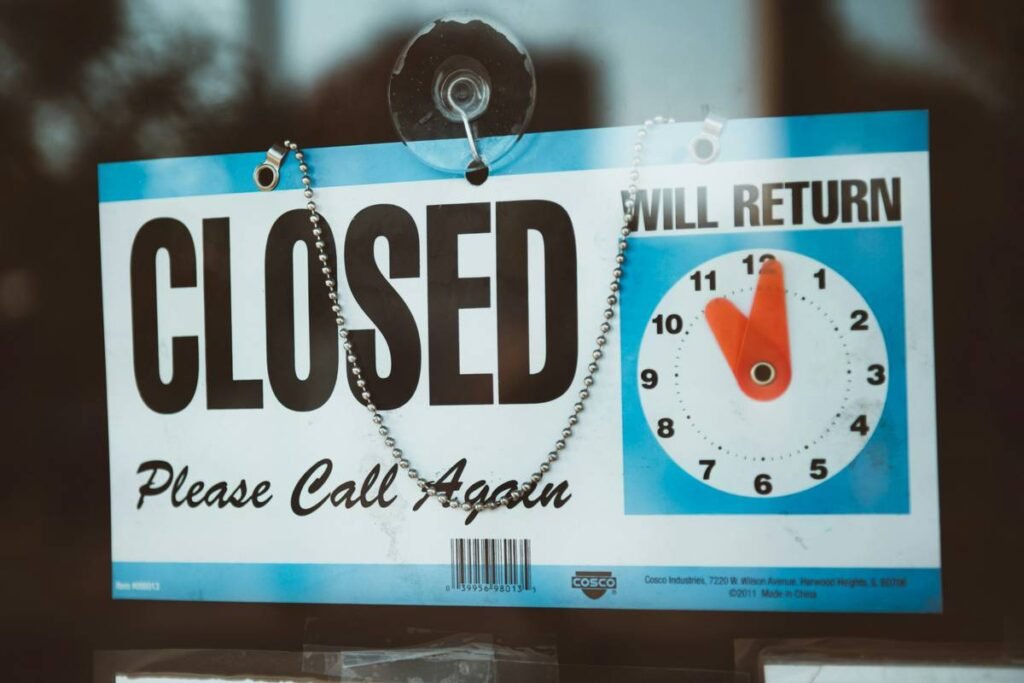
You bought something online. It arrived broken. Or maybe it just wasn’t what you expected. You tried returning it—only to be told the store won’t take it back. Now you’re stuck with a useless item and a maxed-out credit card. Frustrating? Absolutely. But here’s the kicker: your credit card might actually cover that loss—if you understand the card return condition. Most people don’t. And that’s costing them hundreds, even thousands, every year.
Why Most Return Protection Claims Get Denied
Credit card return protection sounds like free insurance. But in practice, it’s more like a minefield of fine print. Banks approve fewer than 40% of claims—not because customers are dishonest, but because they miss obscure eligibility traps.
Take this example: Sarah used her premium travel card to buy noise-canceling headphones from a third-party seller on Amazon. The product arrived defective. The merchant refused returns after 14 days. She filed a return protection claim on day 16. Denied. Why? Her card’s card return condition required submission within 30 days of purchase—but only if the merchant offered *any* return window. Since the seller’s policy was “final sale,” the claim collapsed instantly.
And most users never read the benefit guide. They assume “return protection” means “no-questions-asked refund.” That assumption is expensive.
How to Actually Get Approved: A Step-by-Step Walkthrough
Follow these steps precisely—or don’t bother filing at all.
Confirm Your Card Even Offers This Benefit
Not all cards do. Premium Visa Infinite or World Elite Mastercards often include it. Basic cashback cards? Rarely. Check your Guide to Benefits PDF (yes, you have to dig for it).
Verify the Merchant’s Return Policy First
This is where 90% fail. If the retailer offers *any* return window—even 7 days—you must exhaust that first. Only when they refuse *after* their own deadline can you trigger card coverage.
File Within the Exact Time Window
Most U.S. issuers allow 60–90 days from purchase date. But some cap it at 30. Miss it by one day? Automatic rejection.

Submit Complete Documentation—No Exceptions
You’ll need: original receipt, merchant’s written refusal, proof of attempted return (like an email trail), and a copy of the merchant’s return policy as it appeared on purchase day (use archive.is if needed).
| Card Issuer | Max Reimbursement | Time Limit After Purchase | Key Card Return Condition |
|---|---|---|---|
| Chase Sapphire Reserve | $500 per item | 90 days | Only if merchant refuses *and* had a return policy |
| Amex Platinum | $300 per item | 90 days | No coverage for digital goods or final-sale items |
| Citi Prestige | $250 per item | 60 days | Excludes clearance, custom, and perishable items |
| Capital One Venture X | $500 per item | 90 days | Requires police report for stolen/damaged items |

The Industry Secret Nobody Talks About
Here’s something card issuers quietly bury: many return protection programs are actually reinsured by third-party firms like Assurant or Allianz. That means the underwriters—not the bank—make final decisions. And they use automated fraud-detection algorithms that flag patterns like “multiple small claims” or “claims from the same merchant.”
So if you file three $490 claims in two months for electronics from Newegg? Your fourth claim gets auto-flagged—even if perfectly legitimate. The math is simple: insurers profit by denying borderline cases. Your best defense? Bundle related items into a single claim (if allowed) and space out filings by 60+ days. Also—never mention “I knew the merchant wouldn’t take returns.” That’s considered buyer intent to defraud. Say instead: “I expected standard return rights based on category norms.”
Frequently Asked Questions
Does card return protection cover online purchases?
Yes—if the merchant has a stated return policy you attempted to use. Digital downloads, final-sale items, and auction sites (eBay, Poshmark) are typically excluded.
What’s the maximum amount I can claim per item?
Varies by issuer. Most cap between $250–$500 per item, with annual limits around $1,000–$2,500 total.
Can I use return protection if I paid partially with my card?
Generally no. Full purchase must be charged to the eligible card. Split payments void coverage.