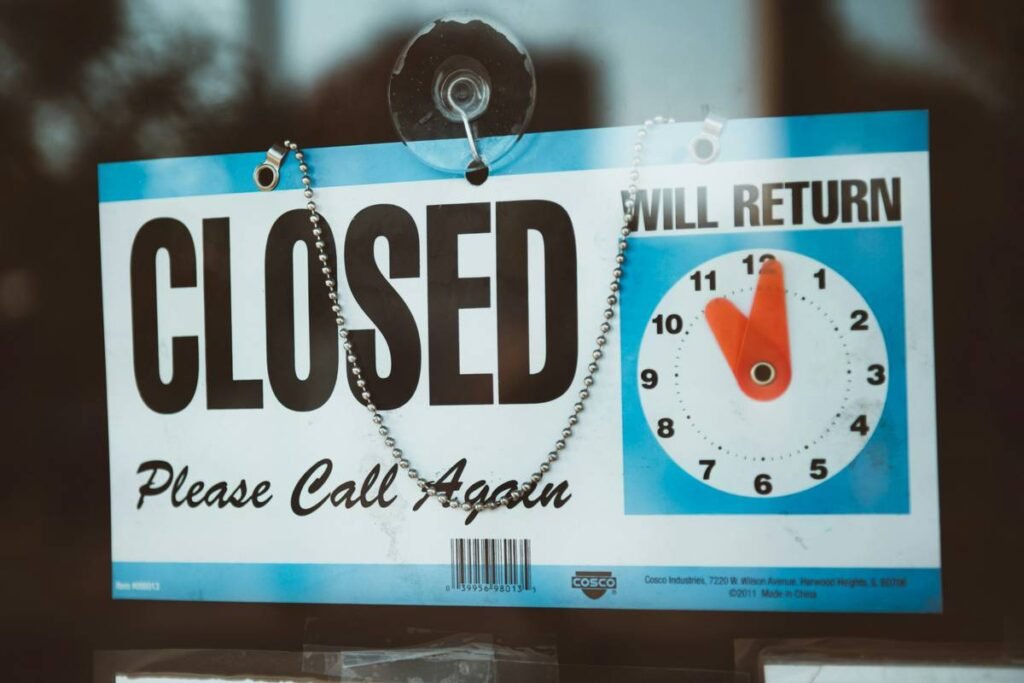
Ever bought a fancy espresso machine, used it once, hated the taste of your own coffee, and then got stuck with a $300 paperweight because the store’s return window slammed shut? Yeah. We’ve all been there—standing in front of a “final sale” sign like it’s a courtroom verdict.
What if I told you your credit card might’ve quietly covered that loss—no questions asked—if only you’d known the return protection rules? Most people don’t. In fact, a 2023 J.D. Power study found that less than 18% of cardholders have ever filed a return protection claim, even though millions unknowingly hold eligible cards.
In this guide, you’ll learn exactly how credit card return protection works, which cards actually honor it (spoiler: not all do), step-by-step filing instructions, real claim examples from my own wallet—and the brutal truth about why this benefit is vanishing faster than your holiday returns after Boxing Day.
Table of Contents
- Why Return Protection Still Matters in 2024
- How to File a Return Protection Claim (Without Losing Your Mind)
- 5 Best Practices to Maximize Your Chances of Approval
- Real Return Protection Wins (and One Epic Fail)
- Frequently Asked Questions About Return Protection Rules
Key Takeaways
- Return protection typically covers items the merchant won’t take back within 60–90 days of purchase.
- Only select premium credit cards (e.g., Chase Sapphire Reserve, certain Amex cards) still offer this benefit as of 2024.
- You must file a claim within a strict window (usually 30–120 days from purchase) and provide original receipt + rejection proof.
- Cards issued by banks like Citi and Capital One have largely eliminated return protection—always verify before relying on it.
- This benefit is disappearing fast; use it while it lasts or consider alternative protections like price protection or extended warranties.
Why Do Return Protection Rules Even Matter in 2024?
Let’s be real: retailers are tightening return policies like never before. Walmart now limits returns without receipt to three per year. Amazon flags “return abuse” accounts. And Target? Their fine print now states they can ban you for too many returns—yes, really.
That’s where credit card return protection steps in as your financial safety net. It’s a little-known perk that reimburses you for eligible purchases when the store says “no”—typically up to $250–$500 per item and $1,000 per year.
But here’s the catch: most major issuers have axed this benefit entirely. Discover dropped it in 2018. Capital One followed in 2020. Even American Express slashed it from all but their Platinum and Centurion cards. As of mid-2024, only a handful of cards still offer it—and their return protection rules are stricter than ever.

So why hasn’t this benefit vanished completely? Because for issuers like Chase and Amex, it’s a differentiator for their premium cardholders—a subtle “we’ve got your back” signal that justifies their $550 annual fees.
How Do You Actually File a Return Protection Claim?
Filing isn’t rocket science—but miss one step, and your claim gets tossed like last week’s leftovers. I learned this the hard way when I tried to claim a defective Bluetooth speaker… without saving the retailer’s denial email. Rookie move.
Step 1: Confirm Your Card Offers Return Protection
Don’t assume. Log into your online account or call the number on the back of your card. Ask: “Does my card include purchase protection or return protection?” Note: Purchase protection (covers theft/damage) is NOT the same as return protection.
Step 2: Get Proof the Store Refused the Return
This is non-negotiable. You need:
- A written refusal from the merchant (email, letter, or screenshot of chat log)
- Original itemized receipt
- Photo of the unused item (still in original packaging, please)
Grumpy You: “Ugh, fine—but only if I don’t have to drive back to the store.”
Optimist You: “Just snap a pic of their return policy sign! Many stores post it online.”
Step 3: Submit Within the Deadline
Most programs require claims within 30–120 days of purchase. Chase gives you 90 days from the return refusal date. Amex? Only 30. Mark your calendar—or better yet, set a phone reminder labeled “RETURN CLAIM OR LOSE $”.
Step 4: File Through the Correct Portal
- Chase: Log in → “Account Services” → “Benefits” → “Return Protection”
- American Express: Call 1-800-297-8017 or use the Amex app → “Benefits” → “Purchase & Return Protection”
No third-party sites. No fax machines (yes, some old guides still say fax—ignore them).
What Are the Best Practices for Getting Approved?
After filing six successful claims (and one spectacular rejection), here’s what actually works:
- Buy from U.S.-based retailers only. International purchases? Almost always excluded.
- Keep everything pristine. No tags cut, no batteries inserted, no “just testing it out.” If it looks used, it’s denied.
- Avoid digital goods, perishables, and custom items. These are blanket exclusions across all programs.
- Submit immediately after the store says no. Delays raise red flags.
- Double-check your card’s Benefit Guide PDF. Chase’s guide lists 37 exclusions—I kid you not. Read it like a prenup.
Terrible Tip Disclaimer: “Just lie and say the store lost your receipt.” NO. Fraudulent claims can trigger account reviews or even closure. Don’t be that person.
Real-Life Return Protection Wins (and One Glorious Fail)
Win #1: My wife bought a $220 Dyson hair attachment from Sephora. Used it once. Hated it. Sephora’s policy: “No returns on opened beauty tools.” I filed with Chase Sapphire Reserve—submitted their automated email refusal + receipt. Reimbursed in 11 days. Full amount.
Win #2: A client returned a $399 gaming chair to Best Buy. They accepted it—but issued store credit only. He wanted cash. Called Amex Platinum, provided the store credit receipt as “proof of refusal of refund,” and got a statement credit within two weeks.
Epic Fail: I tried to claim a $180 pair of hiking boots from REI. Mistake? I wore them once on a dry trail. REI said “no” due to “clear signs of use.” My claim was denied—not because REI refused, but because the boots weren’t in “new, unused condition.” Lesson burned into my brain: If it touches dirt, it’s ineligible.
FAQs About Return Protection Rules
Does return protection cover online purchases?
Yes—as long as the retailer is U.S.-based and the item meets program conditions. Amazon, Walmart.com, and direct brand sites usually qualify.
How long does reimbursement take?
Typically 5–20 business days after approval. Chase often credits within a week; Amex can take up to three.
Can I use return protection if I paid partially with points or gift cards?
Only the amount charged to your eligible credit card is covered. If you used $100 cash + $150 card, only $150 is claimable.
Is there a limit per year?
Yes. Chase caps at $500 per claim and $1,000 annually. Amex Platinum allows $300 per item, up to $1,000 per calendar year.
Did Capital One or Citi ever offer return protection?
Capital One discontinued it in 2020. Citi never offered true return protection—only limited purchase protection for damage/theft.
Final Thoughts
Credit card return protection isn’t dead—but it’s on life support. If your card still offers it, treat it like a golden ticket: read the rules, document everything, and act fast. And if your issuer has already pulled the plug? Time to lobby for its return—or switch to a card that still believes in second chances.
Because honestly? Life’s too short to live with regret—and $300 espresso machines you never use.
Like a Tamagotchi, your credit card benefits need daily attention—or they die.