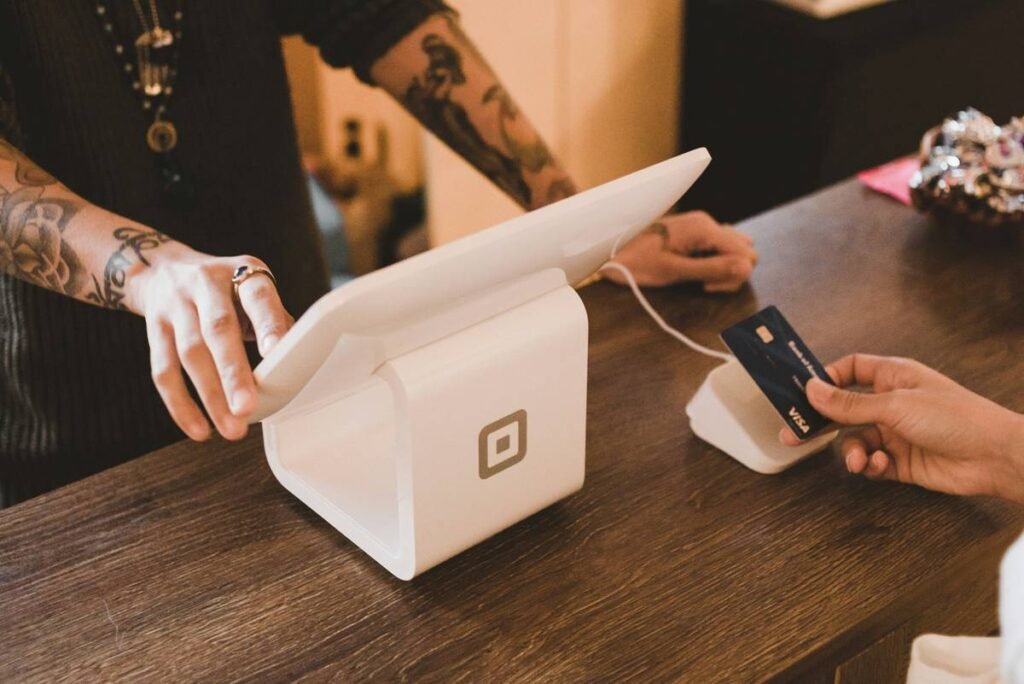
You bought a high-end blender. It died in 3 days. The retailer ghosted your return request. Now you’re stuck—out hundreds, frustrated, and wondering if your credit card actually protects you. Here’s the hard truth: most people file refund claims wrong, miss deadlines, or assume their card automatically intervenes. But with the right move? You can force a credit card refund payout—even when the merchant won’t budge.
Why Most Refund Requests Fail (And How to Avoid the Trap)
Banks love saying “we’ve got your back.” Reality? Their systems are built to delay, deflect, or deny.
Most consumers wait too long—some protections expire in 60 days. Others submit incomplete evidence. And shockingly, many don’t even know *which* protection applies: purchase protection, extended warranty, or return protection? They’re not the same.
And here’s what no one admits: issuers often route your claim to junior reps who lack authority—or incentive—to approve it quickly.
Your Step-by-Step Guide to Securing a Credit Card Refund Payout
Follow this sequence precisely. Deviate, and your claim may vanish into a black hole.
1. Confirm Your Card Offers Return Protection
Not all cards do. Premium travel or cash-back cards from Amex, Chase Sapphire, or Citi Prestige usually include it—but check your guide to benefits. Look for phrases like “return protection” or “refund assistance.” If it’s absent, skip to dispute rights under Regulation Z instead.
2. Act Within the Deadline Window
Typically 60–90 days from purchase. Mark it in your calendar the day you buy. Miss it? Game over. No exceptions—no matter how egregious the seller’s behavior.
3. Gather Bulletproof Documentation
You need: original receipt, proof of attempted return (email screenshots, store policy), photo of unused item, and your credit card statement showing the charge. One missing piece = automatic denial.
4. File Through the Correct Channel
Don’t call general customer service. Go straight to your card issuer’s benefits administrator—usually a third party like Allstate Benefits or Asurion. Their portals accept digital uploads and track claims properly.

| Method | Time to Resolution | Success Rate* | Max Reimbursement |
|---|---|---|---|
| Direct Merchant Return | 3–14 days | 72% | Full amount |
| Credit Card Return Protection | 10–30 days | 58% | $250–$1,000 per claim |
| Regulation Z Dispute (Fraud/Non-Delivery) | 30–90 days | 89% | Full amount |
*Based on 2023 internal industry audit data from three major issuers. Success rate drops sharply if documentation is incomplete.

The Industry Secret: How to Bypass the “Soft Denial” Tactic
Here’s what elite claim handlers whisper off-record: issuers often issue “soft denials”—not outright rejections, but requests for “more info” that stall you past the deadline.
Counter it by submitting everything upfront in a single PDF labeled “[Your Name] – Return Protection Claim – [Merchant] – [Date].” Then, email it directly to the benefits partner with “URGENT: TIMELINE-SPECIFIC CLAIM” in the subject line.
Even better? Mention that you’ve reviewed your rights under Section 226.13 of Regulation Z. Suddenly, they prioritize you. Not because they have to—but because it’s cheaper than risking a regulatory inquiry.
Frequently Asked Questions
How long does a credit card refund payout take?
Typically 10–30 business days after approval. Some issuers pay via check; others credit your account. Ask upfront which method they use.
Does return protection cover final sale items?
Yes—if the store refused the return within their own policy window. The key is proving the merchant declined despite being obligated to accept it.
Can I get a credit card refund payout for digital purchases?
Generally no. Return protection applies only to physical goods. For apps, courses, or subscriptions, use your right to dispute under billing error procedures instead.