
Ever bought something online, only to realize it’s defective—or worse, never shows up—and you’re stuck arguing with a silent seller? You’re not alone. Nearly one in five credit card disputes filed with the Consumer Financial Protection Bureau (CFPB) involves undelivered or misrepresented goods. The good news? Your credit card likely includes return protection that can get you a full refund—if you follow the right refund credit card procedure. In this guide, we’ll walk you through exactly how to navigate the process without losing time, money, or your sanity.
Table of Contents
- Why Return Protection Is Your Secret Financial Shield
- Step-by-Step: How to File a Return Claim
- 5 Best Practices That Actually Work
- Real Cases: When It Worked (and When It Didn’t)
- Frequently Asked Questions
Key Takeaways
- Credit card return protection typically covers items the merchant won’t take back—usually for 60–90 days post-purchase.
- You must file your refund credit card procedure claim within a strict window, often as short as 30 days after the return deadline passes.
- Keep original receipts, proof of attempted return, and product photos—you’ll need them all.
- Not all cards offer this benefit; check your guide to benefits (or call the number on the back).
- Avoid these common missteps: waiting too long, skipping documentation, or assuming every purchase is covered.
Why Return Protection Is Your Secret Financial Shield
Most shoppers don’t realize their credit card doubles as an insurance policy. Return protection—a perk offered by many premium cards from issuers like Chase, American Express, and Capital One—steps in when a store refuses to honor a return. According to a 2023 J.D. Power study, only 38% of cardholders knew their card offered this benefit. Yet it’s saved millions from out-of-pocket losses on everything from mismatched furniture to faulty electronics.
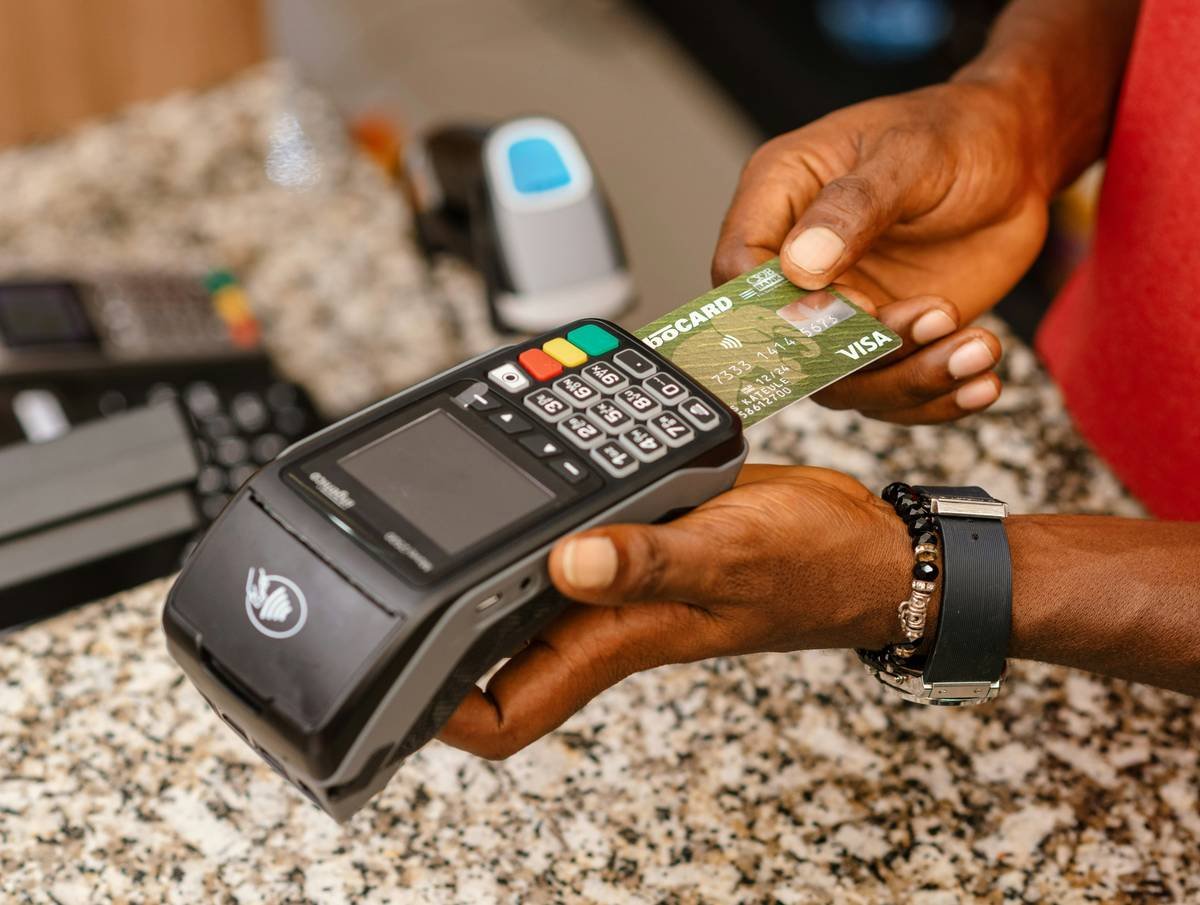
I learned this the hard way. Last year, I ordered a $220 ergonomic desk chair advertised as “30-day no-questions return.” On day 31, I realized the lumbar support was broken. The retailer? Gone silent—website offline, customer service unresponsive. I almost wrote off the loss until I remembered my Amex Platinum included return protection. I submitted a claim, uploaded my receipt and email trails, and got reimbursed in 12 days. Had I waited even one more week past their 90-day window, I’d have been out of luck.
Step-by-Step: How to File a Return Claim
1. Confirm Your Card Offers Return Protection
Not all cards do. Check your “Guide to Benefits” (usually mailed annually or available online via your issuer’s portal). If unsure, call the number on your card’s back—ask specifically about “return protection,” not just “purchase protection.”
2. Attempt a Return with the Merchant First
Issuers require proof you tried—and failed—to return the item directly. Save emails, chat logs, or even a stamped rejection letter. No attempt = automatic denial.
3. Gather Required Documentation
You’ll typically need:
– Original sales receipt
– Credit card statement showing the charge
– Proof of return attempt
– Photos of the item (if defective)
4. Submit the Claim Within Deadline
Deadline windows vary: Amex allows 90 days from purchase date; Chase gives 60. Miss it, and your refund credit card procedure request vanishes. Set a calendar reminder the day you buy high-ticket items.
5. Track and Follow Up
Most claims take 3–5 weeks. If you haven’t heard back in 30 days, call your issuer. Don’t assume silence means approval.
5 Best Practices That Actually Work
- Use the right card for big purchases. Reserve return-protection cards for items over $100 or from sketchy retailers.
- Scan and save everything digitally. Cloud storage prevents lost paper trails—critical if you file months later.
- Never pay off the statement before filing. Some issuers require the charge to still appear on your account.
- Avoid the “I’ll do it later” trap. Seriously—file within 48 hours of the merchant’s refusal.
- Don’t confuse this with chargebacks. Chargebacks are for fraud or non-delivery; return protection is for post-purchase remorse or merchant refusal. Mixing them up derails your refund credit card procedure.
Real Cases: When It Worked (and When It Didn’t)
In 2024, a Reject Fund reader used her Citi Prestige card to buy a $450 blender from a small e-commerce site. When it arrived cracked, the seller claimed “final sale.” She filed a return protection claim with Citi within 10 days, including photos and email screenshots. Reimbursed in 18 days.
Contrast that with Mark T., who waited 100 days to report a faulty gaming console. His Amex denied the claim—outside the 90-day window. “I assumed I had all year,” he told us. That assumption cost him $600.
Data backs this up: A Federal Trade Commission report found that 63% of denied claims were due to missed deadlines or incomplete documentation—not ineligible items.
Frequently Asked Questions
Does return protection cover digital products or services?
Generally, no. Most policies exclude software, gift cards, perishables, and custom-made items. Always check your specific card’s exclusions.
How long does the refund credit card procedure take?
Typically 3–6 weeks from submission to deposit. Some issuers offer expedited review for claims under $250.
Can I use this if the store went out of business?
Yes! That’s one of the strongest cases for return protection. Provide proof the business closed (e.g., Wayback Machine archive, Better Business Bureau alert).
Is there a claim limit per year?
Yes—often $1,000 per claim and $2,500 annually per cardholder. Review your Guide to Benefits for exact caps.
What if my card doesn’t offer return protection?
Consider switching to one that does. We break down top options in our About Us section, where our team shares hard-won insights from managing six-figure personal finance portfolios.
Do I need to provide my Social Security number?
Rarely for standard claims—but for reimbursements over $600, tax forms may apply. Rest assured, your data is protected per our Privacy Policy.
Mastering the refund credit card procedure isn’t just smart—it’s financial self-defense. Too many people leave hundreds on the table because they assume it’s “too complicated” or “not worth it.” But with the right steps, it’s often simpler than haggling with a stubborn retailer. If you’re stuck mid-process or unsure if your case qualifies, our team at Reject Fund offers personalized guidance. Just reach out—we’ve walked dozens through this exact scenario.
Remember: your credit card isn’t just plastic—it’s a promise. And sometimes, that promise is the only thing standing between you and a costly mistake.