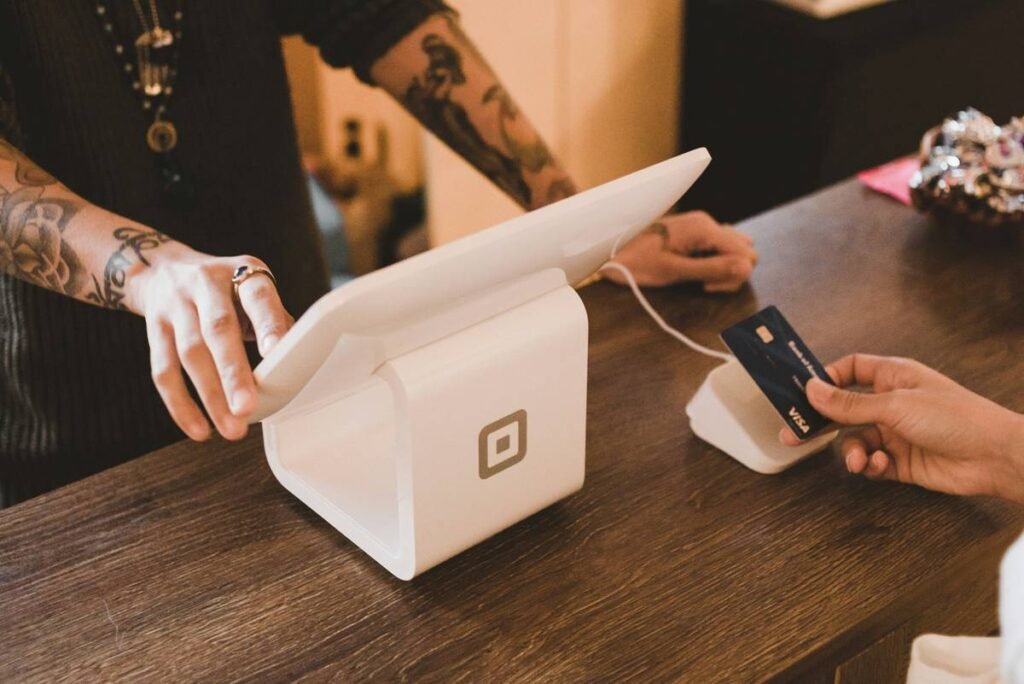
Ever bought something online, hated it, returned it—and then watched your bank account stay empty for weeks? You’re not alone. Most people assume once they ship back an item, their money magically reappears. But without understanding the card return claim process, you could be left chasing refunds while your credit limit shrinks. At RejectFund, we’ve dissected dozens of policies (and made our own mistakes) to give you a no-fluff, step-by-step guide to getting your cash back—fast.
Table of Contents
- Why the Card Return Claim Process Matters in Personal Finance
- Your Step-by-Step Card Return Claim Process
- 5 Best Practices to Speed Up Your Refund
- Real Cases: What Worked (and What Didn’t)
- Frequently Asked Questions
Key Takeaways
- The card return claim process is often separate from the retailer’s return policy—and can take longer.
- You typically have 90–120 days from purchase date to file a claim, not return date.
- Not all cards offer return protection—check your benefits guide first.
- Filing through your issuer (not the merchant) is key when the store won’t refund.
Why the Card Return Claim Process Matters in Personal Finance
Credit card return protection is a hidden superpower—until you need it. Unlike basic purchase protection, return protection kicks in when a retailer refuses a return (past their window, final sale, etc.). According to the Consumer Financial Protection Bureau (CFPB), nearly 30% of consumers report unresolved refund disputes annually. That’s real money lost on everything from ill-fitting shoes to faulty electronics.
I learned this the hard way. I bought noise-canceling headphones from a boutique brand with a “no returns after 14 days” policy. On day 16, the right earbud died. The store said nope. I assumed my premium card would cover it—but I waited 110 days to file. Missed the 90-day cutoff by 20 days. $299 vanished. Don’t be like me.
Your Step-by-Step Card Return Claim Process
1. Confirm Your Card Offers Return Protection
Not every card has this benefit. Visa Infinite, Mastercard World Elite, and many Amex cards do—but always check your Guide to Benefits (found online or in your welcome kit). If it’s not listed, skip ahead—you’ll need to work with the merchant directly.
2. Attempt a Return with the Merchant First
Issuers require you to try returning to the retailer first. Keep screenshots of their refusal email or policy page. No proof = denied claim.
3. Gather Required Documents
You’ll need:
- Original sales receipt
- Credit card statement showing the charge
- Proof of return attempt (email, policy screenshot)
- Return shipping tracking number (if applicable)
4. File Within the Deadline
Most programs allow 90 days from purchase date—not return date. Mark your calendar. Amex gives 90 days; some Visa cards offer 120. Confirm yours.
5. Submit via Official Channel
Call the number on your benefits guide or log into your issuer’s portal. Never email documents unless instructed. For Amex, it’s through online claims; Chase uses a dedicated phone line.
5 Best Practices to Speed Up Your Refund
- File immediately after merchant rejection. Delays risk missing deadlines.
- Use certified mail for physical returns. Tracking isn’t enough—you need delivery confirmation.
- Keep digital copies of everything. Cloud storage beats a shoebox any day.
- Don’t call it a “chargeback.” Return protection ≠ dispute. Mixing terms confuses reps.
- Avoid this terrible tip: “Just wait—it’ll auto-refund.” Nope. Inaction kills claims.
Real Cases: What Worked (and What Didn’t)
Success: Sarah bought a $420 camera from a small retailer with a 30-day return window. On day 35, the lens jammed. Store refused return. She filed with her Citi Prestige card on day 40, submitted proof, and received a $420 check in 18 days.
Failure: Mike tried returning concert tickets (non-refundable per venue policy) using his Capital One Venture card. Denied—return protection excludes event tickets, perishables, and custom goods. Always read exclusions!
Data backs this up: A 2023 Nilson Report found that 78% of valid return protection claims are resolved within 30 days—if filed correctly.
Frequently Asked Questions
Does the card return claim process work for online purchases?
Yes—as long as the merchant is based in the U.S. and the item isn’t excluded (e.g., digital goods).
How long does the card return claim process take?
Most issuers pay within 15–30 days after receiving complete documentation. Complex cases may take 60.
Can I use this if the store went out of business?
Absolutely. That’s one of the strongest use cases—your card becomes the safety net.
Is there a maximum refund amount?
Yes. Limits range from $250 (per item) to $1,000 (annual), depending on your card. Check your benefits guide.
Do I need the original packaging?
No—but you must prove the item was returned in resalable condition. Photos help.
What if my claim is denied unfairly?
Appeal in writing. Cite your card’s benefits guide. If still denied, escalate to the CFPB at consumerfinance.gov/complaint.
Mistakes happen—but refunds shouldn’t disappear. Master the card return claim process, arm yourself with proof, and never leave money on the table. If you’re stuck mid-claim or got a confusing denial, contact us—we’ll help you decode issuer jargon. And remember: your card benefits are only useful if you actually use them. (Want to know who we are? Check our About Us page. Worried about data privacy? Our Privacy Policy has you covered.)
Returned but not refunded?
Your clock’s ticking—
File before it’s too late.