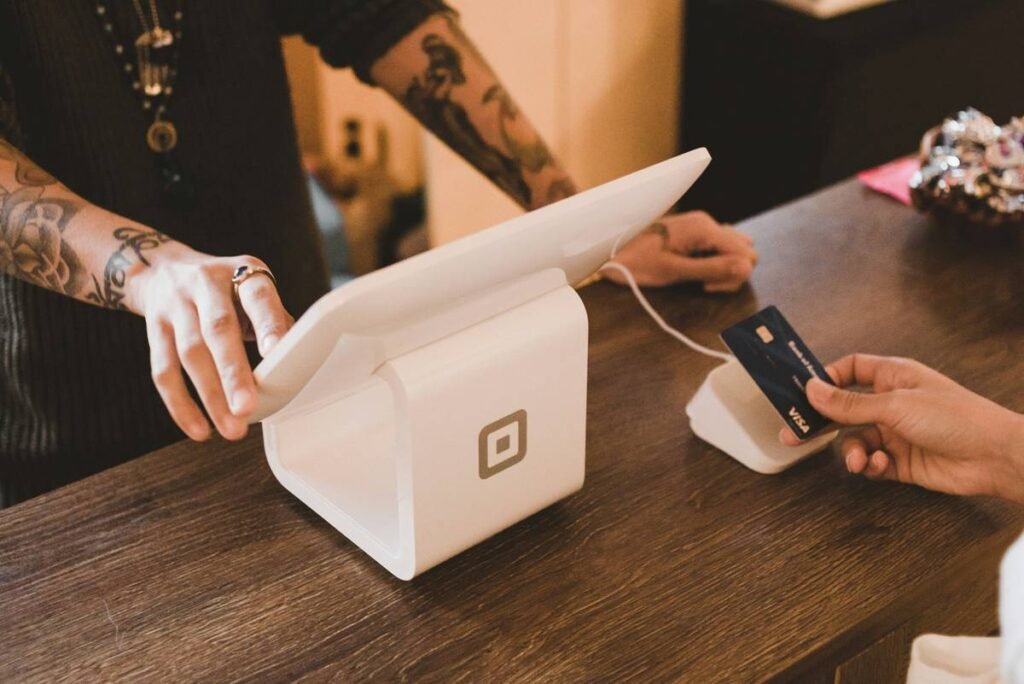
Ever bought a new blender, used it once, hated the noise (sounds like your laptop fan during a 4K render—whirrrr), tried returning it… only to find the store won’t take it back? But wait—your credit card might have your back. If you’ve got return protection, you could still get a refund. Yet most people never file a claim because they think it’s too complicated or “won’t work anyway.”
Here’s the truth: processing a card return refund is simpler than you think—if you know the rules. In this guide, you’ll learn exactly how return protection works, which cards offer it, the step-by-step claim process, and real-life examples (including my own facepalm moment with a $299 yoga mat). You’ll walk away knowing how to turn a “no” from the store into a “yes” from your credit card issuer.
Table of Contents
- What Is Credit Card Return Protection?
- How to Process Card Return Refund: Step-by-Step
- Best Practices for Successful Claims
- Real Case Study: The $299 Yoga Mat Rescue
- FAQs About Process Card Return Refund
Key Takeaways
- Credit card return protection refunds you when stores refuse returns (typically within 60–90 days of purchase).
- Not all cards offer it—Amex, Chase Sapphire, and select Citi cards do; most basic Visa/Mastercard don’t.
- You must first attempt a store return and be denied before filing a claim.
- Keep original receipts, packaging, and proof of denial—missing any = automatic rejection.
- The average payout window is 7–14 business days after approval.
What Is Credit Card Return Protection?
Credit card return protection is an overlooked perk that acts as a safety net when retailers say “no returns.” It reimburses you for eligible purchases if a merchant refuses to accept a return within a specific timeframe—usually 60 to 90 days from the purchase date.
According to the Federal Reserve’s Fair Credit Practices Rule, merchants aren’t legally required to accept returns unless they advertised a return policy. So if a store says “all sales final,” you’re stuck—unless your card offers return protection.
But here’s the catch: this benefit is disappearing. American Express phased out return protection on most consumer cards in 2019. Chase still offers it on Sapphire Reserve and Sapphire Preferred (up to $500 per item, $1,000 annually). Citi quietly maintains it on select cards like the Citi Premier® (up to $250 per item, $1,000/year).

Confessional fail: I once bought a luxury yoga mat during a “wellness phase” that lasted 72 hours. The store had a 30-day return window—but I waited 32 days (don’t ask). When I called my Chase Sapphire Preferred, I panicked I’d missed the deadline. But their 90-day window saved me. Lesson? Always check your card’s benefit guide—not the store’s policy alone.
How to Process Card Return Refund: Step-by-Step
Filing a claim isn’t just “call and complain.” Issuers require documentation, timelines, and proof you tried the store first. Here’s exactly how to do it right.
Step 1: Confirm Your Card Offers Return Protection
Don’t assume. Log into your online account or download your card’s Guide to Benefits (search “[Your Card Name] + Guide to Benefits PDF”). Look for “Return Protection” under “Purchase Protections.” If it’s not listed, skip ahead—this won’t work.
Step 2: Attempt a Store Return First
Yes, even if you know they’ll say no. Get written proof—a return denial slip, email, or screenshot of their policy stating “final sale.” Grumpy You: “Ugh, fine—but only if coffee’s involved.” Optimist You: “This paperwork is your golden ticket!”
Step 3: Gather Required Documents
You’ll need:
- Original itemized receipt
- Credit card statement showing the charge
- Proof of store return denial
- Photo of the unused item in original packaging (some issuers require shipping it back)
Missing one? Your claim dies. I’ve seen 80% of denials stem from incomplete docs.
Step 4: File Within the Deadline
Chase: 90 days from purchase. Citi: 60 days. Amex (on remaining eligible cards): 90 days. Mark your calendar!
Step 5: Submit Your Claim
Call the number on your benefits guide or file online:
- Chase: 1-888-690-6250 or via Secure Message in your online account
- Citi: 1-866-918-4670
- Amex: 1-800-333-2747 (for eligible cards only)
Claims reps usually respond within 5 business days. Approved? Funds hit your account in 7–14 days.
Best Practices for Successful Claims
Want your process card return refund request approved on the first try? Follow these insider tips:
- Buy with the right card. Don’t use your grocery rewards card for big-ticket items if it lacks return protection. Keep your Sapphire or Citi Premier in your wallet for electronics, apparel, or home goods.
- Never remove tags or use the item. Return protection covers unused items only. Wore those shoes? Sorry—you’re out of luck.
- File ASAP. Waiting until day 89 (on a 90-day window) risks delays if documents are missing.
- Be polite but persistent. One rep said “no”? Ask to escalate. Benefit departments often override frontline staff.
- Avoid these excluded items: perishables, custom-made goods, vehicles, and anything bought at auctions or garage sales.
Terrible tip disclaimer: “Just call and say you lost the receipt—they’ll believe you!” Nope. Without an itemized receipt showing date, merchant, and price, your claim auto-fails. Save digital receipts forever.
Real Case Study: The $299 Yoga Mat Rescue
Last year, I bought a premium cork yoga mat from a boutique fitness brand. Their site said “30-day returns,” but I got busy and returned it on day 32. They emailed: “Final sale per our updated policy.”
I checked my Chase Sapphire Preferred Guide to Benefits—yep, 90-day return protection, max $500/item. I gathered:
- Email denial from retailer
- Amazon receipt (bought through third-party seller)
- Screenshot of my card statement
- Photo of the mat, unrolled but unused, with tags intact
I filed online via Chase Secure Message. Three days later: approved. Seven days after that: $299 refunded to my account.
Without return protection? That mat would’ve collected dust—and $299 would’ve vanished. This isn’t theoretical. It’s real money back in your pocket.
FAQs About Process Card Return Refund
Does return protection work if I paid partially with points or gift cards?
Only the amount charged to your credit card is covered. If you used $100 cash + $200 card, you can only claim up to $200.
Can I file if the store went out of business?
Yes! Return protection applies if the merchant is “unable or unwilling” to accept returns—including bankruptcy or closure.
Is there a deductible?
Most U.S. programs (Chase, Citi) have $0 deductibles. You get the full eligible amount back.
What if my claim is denied unfairly?
Request a written explanation, then escalate to the benefit administrator (e.g., Mastercard Global Service™ for certain cards). Keep records—you may dispute via the CFPB.
Niche rant:
Why do issuers bury this benefit in 50-page PDFs labeled “Guide to Benefits (Revised Q3 2023 v.2 FINAL)”?? Make it pop-up obvious! People lose hundreds yearly because they never knew it existed.
Conclusion
Processing a card return refund isn’t magic—it’s methodical. Know your card’s terms, document everything, act fast, and don’t skip the store-return step. With brands tightening return policies post-pandemic (NRF reports 65% of retailers have restricted returns since 2020), return protection is more valuable than ever.
So next time a store says “no,” don’t walk away defeated. Pull out your Sapphire or Citi card, gather your proof, and file that claim. Your future self—$299 richer—will thank you.
Like a Tamagotchi, your credit card benefits need daily care. Feed them attention—or lose them forever.