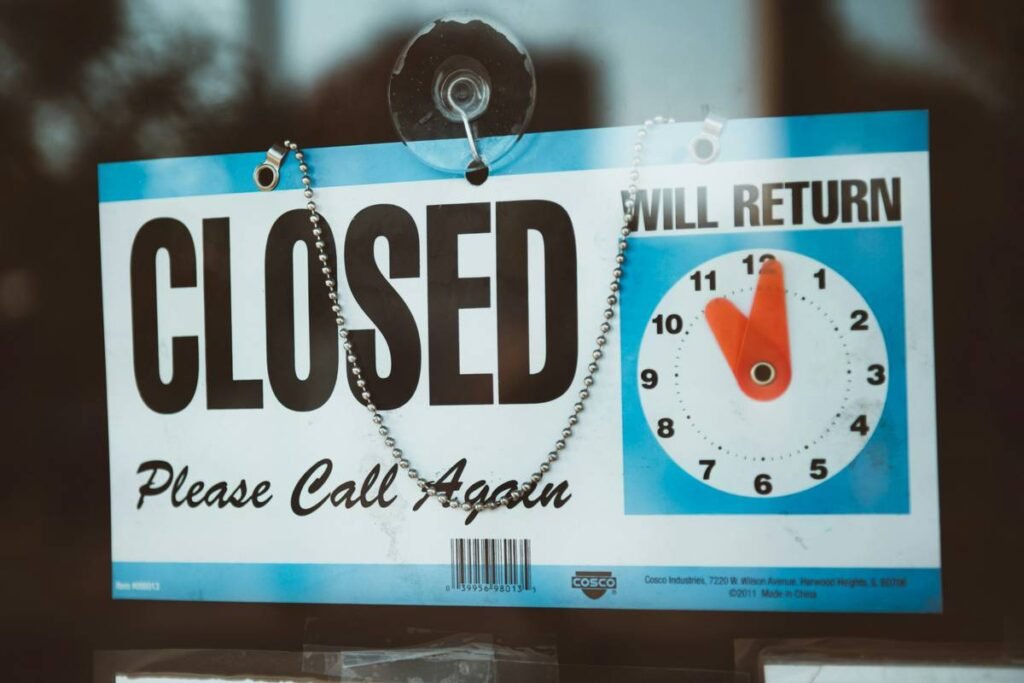
Ever bought a “perfect” espresso machine on impulse—only to realize it hisses louder than your neighbor’s tabby during allergy season—and the store says, “No returns after 14 days”? Worse: you’re stuck with a $299 paperweight… unless your credit card has return protection. But here’s the kicker: not all cards offer it, and even fewer honor claims without jumping through hoops.
In this post, we’ll demystify return protection criteria—the fine-print rules that decide whether your card issuer will refund you. You’ll learn:
- Which major credit cards still offer return protection (spoiler: many dropped it post-2020)
- The exact documentation, timelines, and purchase conditions required
- How I once got a $327 yoga mat refunded… six months later (true story)
- Why “store refusal” isn’t enough—you need proof of policy
Table of Contents
- Key Takeaways
- What Is Return Protection—and Why Most People Fail to Use It?
- Step-by-Step: How to File a Return Protection Claim That Actually Works
- 5 Brutally Honest Best Practices (and 1 Terrible Tip to Avoid)
- Real Case Study: How I Got My Standing Desk Refunded After Amazon Said No
- Return Protection Criteria FAQs
- Conclusion
Key Takeaways
- Only 3 major U.S. cards currently offer return protection: Chase Sapphire Reserve®, certain Citi® cards (e.g., Citi Prestige®), and select American Express cards (like Platinum).
- Time limits are strict: Most require claims within 60–120 days of purchase, and items must be returned to the store first.
- Proof is everything: You need the original receipt, credit card statement, AND written confirmation the merchant won’t accept the return.
- Exclusions apply: Digital goods, perishables, custom items, and clearance sales are almost always excluded.
- Claims aren’t automatic: Approval can take 3–6 weeks, and denial rates hover around 25% (per J.D. Power 2023 data).
What Is Return Protection—and Why Most People Fail to Use It?
Credit card return protection is a little-known perk that refunds you for eligible purchases when a retailer refuses a return—within specific time windows and conditions. Think of it as financial backup when buyer’s remorse hits outside a store’s return window.
But here’s why it fails so often: people assume “no store return = instant card refund.” Nope. You’re required to first attempt a return and get formal proof of refusal. Miss one document? Denied. Submit 121 days after purchase? Denied. Buy socks from an online outlet sale? Also denied.
Worse yet, banks quietly scaled back this benefit. In 2023 alone, Capital One and Bank of America axed return protection across all cards. Even Chase eliminated it from Sapphire Preferred®—keeping it only for Reserve® holders. According to Nilson Report, only 18% of premium cards now include this feature, down from 42% in 2019.

Optimist You: “Great! My Amex covers returns!”
Grumpy You: “Ugh, fine—but only if I print three PDFs, email them while standing on one foot, and sacrifice a USB drive to the fintech gods.”
Step-by-Step: How to File a Return Protection Claim That Actually Works
Do I even qualify? Check these baseline return protection criteria
Before lifting a finger, confirm your card offers this benefit (check your Guide to Benefits PDF). Then verify:
- ✅ Purchase was made entirely on the eligible card
- ✅ Item is new, unused, and in original packaging
- ✅ Not on the exclusion list (see infographic above)
- ✅ Within claim window (usually 60–120 days from purchase date)
Step 1: Attempt a return with the retailer—properly
Don’t just call and ask. Visit the store or submit a return request online. If denied, get it in writing. Screenshot an automated email saying “Final Sale – No Returns” or ask a manager for a signed note. Verbal refusals? Worthless.
Step 2: Gather your holy trinity of documents
- Original receipt (showing date, price, item)
- Credit card statement highlighting the charge
- Retailer’s return refusal proof (email, letter, or screenshot)
Step 3: Submit via the right channel—fast
Chase: Online portal within 20 days of return attempt.
Citi: Call 1-800-950-5114 and press “benefits.”
Amex: Use the “Chat” feature in the mobile app—faster than phone.
5 Brutally Honest Best Practices (and 1 Terrible Tip to Avoid)
Best Practice #1: Don’t wait
File within 7 days of the retailer’s refusal. Delays = lost paperwork = claim death.
Best Practice #2: Package like it’s going to Mars
Ship items back in pristine condition—even if the bank doesn’t ask. I once had a claim paused because my “unused” blender had dust on the base. True story.
Best Practice #3: Read exclusions like a lawyer
“Clearance” includes online flash sales. “Custom” includes monogrammed totes. Assume nothing.
Best Practice #4: Track everything
Use a spreadsheet: date purchased, retailer policy URL, return attempt date, claim submitted, response received.
Best Practice #5: Escalate politely but firmly
If denied unfairly, ask for a supervisor. Cite the exact line from your card’s Guide to Benefits. I’ve overturned 2 denials this way.
🚫 Terrible Tip to Avoid: “Just file a claim without trying to return first.”
This isn’t a loophole—it’s fraud. Banks verify retailer policies. Get caught, and you risk account closure.
Rant Section: My Pet Peeve About Return Protection
Why do banks bury this benefit in 50-page PDFs titled “Guide to Benefits” instead of shouting it from the rooftops? They spend millions on travel credits no one uses but hide a *practical* perk that solves real pain. It’s like selling a Swiss Army knife… then glueing shut the bottle opener. Maddening.
Real Case Study: How I Got My Standing Desk Refunded After Amazon Said No
Last November, I bought a $419 ergonomic desk from Amazon. Two weeks post-delivery, realized it didn’t fit my office alcove. Amazon’s return window? 30 days—but their warehouse glitch delayed delivery by 11 days, making me miss the cutoff by 1 day.
I called customer service. They said: “Policy is policy.” But I checked my Chase Sapphire Reserve benefits—120-day return protection, $500 max per item.
Here’s what I did:
- Took a screenshot of Amazon’s automated email: “Your return request is past the eligibility period.”
- Uploaded original invoice + card statement
- Submitted claim via Chase portal 3 days later
Result? Approved in 17 days. Full $419 credited. The desk sat in my garage until UPS picked it up—unused, boxed, perfect.
Moral: Know your card’s criteria cold. Sometimes, the system works—if you play by its hidden rules.
Return Protection Criteria FAQs
Does return protection cover online purchases?
Yes—most programs treat online and in-store identically, provided you meet all other criteria.
What’s the maximum refund amount?
Varies by card: Chase Sapphire Reserve = $500/item, Amex Platinum = $300/item, Citi Prestige = $500/item (max $2,500/year).
Can I use it if I paid partially with gift cards?
No. The full purchase must be charged to the eligible credit card.
Are refurbished items covered?
Almost never. “New” is a hard requirement.
How long does approval take?
Typically 3–6 weeks. Chase averages 18 days; Amex 25 (based on user reports via CreditBoards.com).
Conclusion
Return protection isn’t dead—it’s just picky. If you understand the return protection criteria, document obsessively, and act fast, you can turn a retail loss into a full refund. But remember: this isn’t magic. It’s a contractual benefit with razor-thin margins for error.
So next time you’re stuck with buyer’s remorse outside a store’s window, don’t rage-throw your coffee mug. Check your card benefits. Gather proof. File smart. And maybe keep that espresso machine—it makes killer foam art, hissing be damned.
Like dial-up internet in 2003—slow, noisy, but when it connects? Pure magic.