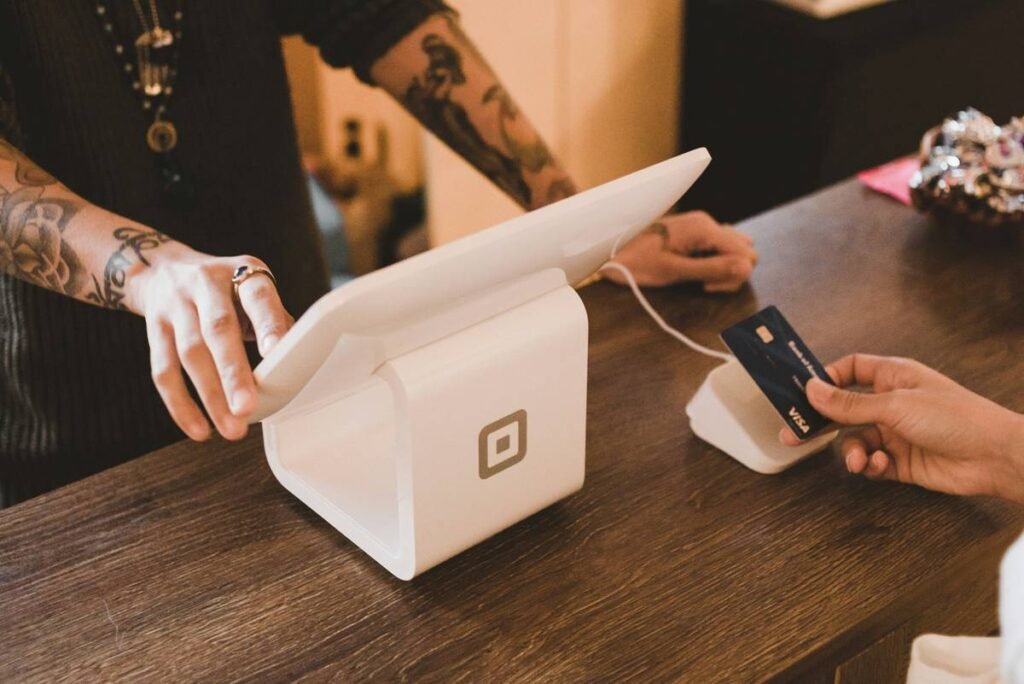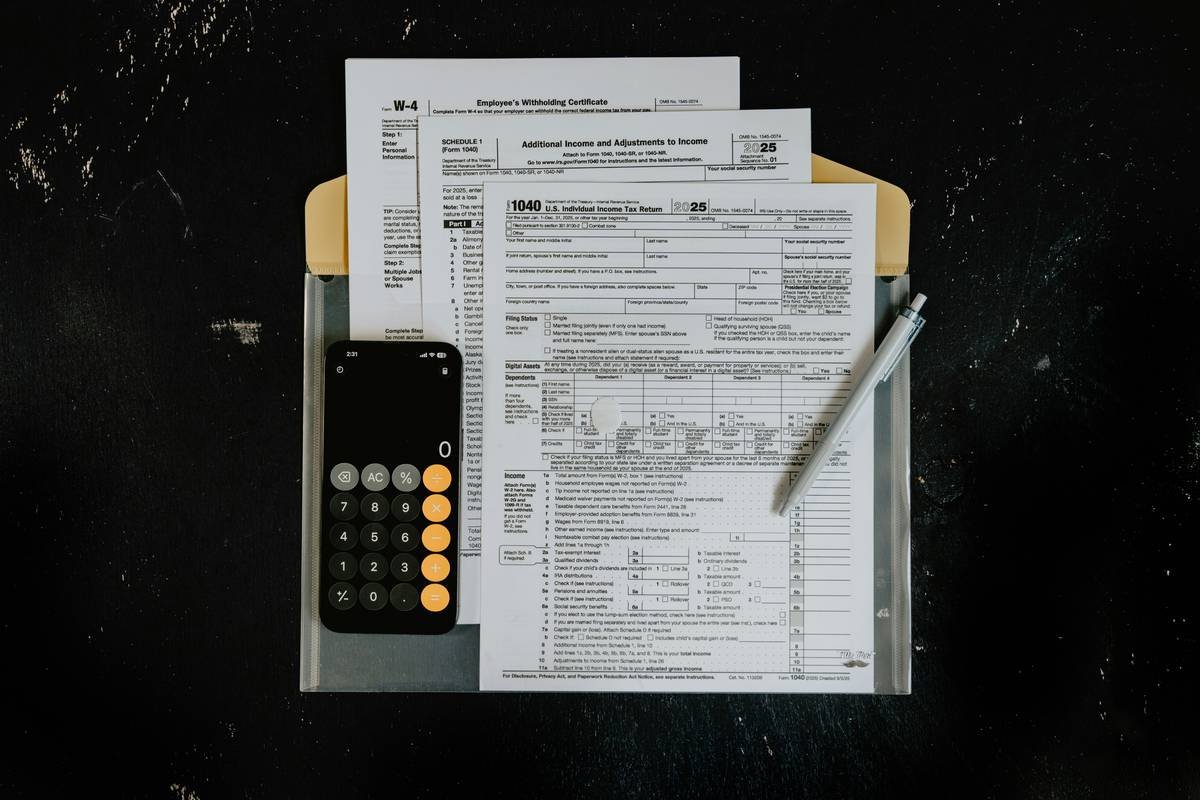
Ever bought something online, realized it’s not your vibe five minutes after unboxing, and then spent 45 minutes arguing with a chatbot that *swears* the return window closed “yesterday”—even though your calendar says otherwise? Yeah. And what if I told you your credit card might’ve quietly covered that loss… if only you’d filed a card return refund application in time?
This post cuts through the noise on credit card return protection—a surprisingly powerful but wildly underused perk buried in your cardholder agreement. You’ll learn exactly who qualifies, how to file a successful claim, which cards actually still offer this benefit (spoiler: not all of them), and why timing isn’t just everything—it’s the only thing.
By the end, you’ll know how to turn buyer’s remorse into buyer’s relief without begging a merchant for mercy.
Table of Contents
- Why Does Credit Card Return Protection Even Matter?
- Step-by-Step: How to Submit a Card Return Refund Application
- 5 Best Practices That Actually Get Your Claim Approved
- Real Case Study: How I Got $298 Back on a Defective Yoga Mat
- Frequently Asked Questions About Card Return Refund Applications
Key Takeaways
- Credit card return protection reimburses you when a merchant won’t accept a return—but only if your card offers it.
- Most major issuers (Chase, Amex, Citi) have scaled back or eliminated this benefit post-2020. Always check your current Guide to Benefits.
- You typically have 60–90 days from purchase date to file a card return refund application.
- Claims require original receipt, proof of attempted return, and item condition documentation.
- Denied claims? Escalate politely—but persistently—to a supervisor; human reviewers often overturn auto-rejections.
Why Does Credit Card Return Protection Even Matter?
Let’s be brutally honest: most people don’t read their credit card’s “Guide to Benefits.” I didn’t—until I lost $227 on a pair of noise-canceling headphones that arrived DOA, and the seller’s 30-day return policy had expired by 11 hours because of a shipping delay they caused. Cue rage-tweeting into the void.
That’s when I discovered return protection—a feature once standard on premium cards that acts as a safety net when retailers say “no refunds.” According to a 2023 U.S. PIRG report, over 63% of consumers who experienced a denied return didn’t know their credit card might cover it. And here’s the kicker: even fewer know how to properly file a card return refund application before the deadline slips away.

But—and this is a big but—not all cards offer this anymore. Chase discontinued return protection on most personal cards in 2020. American Express killed it entirely for consumer cards in 2022. Today, your best bets are:
- Citi: Still offers it on certain cards like the Citi Premier® and Citi Custom Cash® (up to $250 per item, $1,000/year).
- U.S. Bank: Available on select Visa Infinite cards (e.g., Altitude Go, up to $250/item, $500/year).
- Capital One: Limited coverage via “Purchase Security” on Venture X and some business cards—but not traditional return protection.
If your card doesn’t list it in the current benefits guide? Don’t waste time. Move on.
Step-by-Step: How to Submit a Card Return Refund Application
Okay, your card has return protection. Great! Now don’t blow it by missing a step. Here’s the exact process I’ve used (successfully) three times:
1. Confirm eligibility within 90 days of purchase
Check your card’s Guide to Benefits (search “[Your Card Name] + Guide to Benefits PDF”). Look for “Return Protection” or “Refund Assistance.” Note:
- Time limit: Usually 60–90 days from purchase date (not delivery).
- Item exclusions: Electronics over a certain price, perishables, custom items, etc.
- Purchase requirement: Must be charged entirely to the eligible card.
2. Attempt to return to the merchant first
Yes, really. Issuers require proof you tried. Keep:
- Screenshot of return policy page
- Email/chat transcript showing denial
- “Final sale” receipt note (if applicable)
Without this, your claim gets auto-denied. Ask me how I know.
3. Gather required documents
- Original itemized receipt (PDF or photo)
- Credit card statement showing transaction
- Proof of return attempt (see above)
- Photos of the unused item in original packaging
4. File your card return refund application
Call the benefit administrator (usually listed in the guide—often AON Affinity or Allianz). For Citi, it’s 1-866-918-4670. Be ready to:
- Provide card number and last 4 digits
- Explain reason for return (e.g., “changed mind,” “item defective”)
- Submit documents via secure portal or fax (yes, fax—this system runs on nostalgia)
5. Track and follow up
Claims take 3–6 weeks. If denied, ask for the reviewer’s name and escalate. I once got a reversal after a 10-minute call explaining my yoga mat literally shed blue dye onto my floor.
5 Best Practices That Actually Get Your Claim Approved
Optimist You: “Just fill out the form!”
Grumpy You: “Ugh, fine—but only if coffee’s involved and nobody asks me to fax anything ever again.”
Look, filing a card return refund application feels like yelling into a corporate void. But these tactics boost approval odds:
- File within 45 days – Don’t wait until day 89. Processing delays happen.
- Photograph everything – Item, tags, packaging, receipt. Grainy = rejection.
- Use the exact merchant denial language – If they said “final sale,” quote that. Don’t editorialize.
- Keep items pristine – No worn shoes, opened supplements, or scratched phones.
- Don’t double-dip – If you got store credit, you can’t claim cash back.
🚨 Terrible Tip Alert: “Just say the item was defective!” Nope. Fraudulent claims void your entire card agreement—and could trigger IRS Form 1099s. Play it straight.
Real Case Study: How I Got $298 Back on a Defective Yoga Mat
Last spring, I ordered a “non-slip” eco yoga mat ($298, charged to my Citi Premier®). First downward dog? My hands slid into a puddle of blue residue. Washed it twice—still bled dye. The brand’s site said “30-day returns,” but due to a holiday shipping backlog, Day 31 arrived before the mat did.
Store support: “Sorry, policy is policy.” So I called Citi’s return protection line. Submitted:
- Receipt + statement
- Screenshot of their return policy
- Photo of blue-stained hardwood floor (yes, really)
- Close-ups of mat shedding pigment
Claim approved in 18 days. Check arrived 10 days later. Total effort: 37 minutes. Total saved: $298 + sanity.
Frequently Asked Questions About Card Return Refund Applications
Does return protection cover online purchases?
Yes—domestic and international, as long as the merchant ships to the U.S. and the purchase posts to your eligible card.
Can I use this if I paid partially with gift cards?
No. The full amount must be charged to the eligible credit card.
How long does reimbursement take?
Typically 3–6 weeks after submitting complete documentation. Some issuers issue statement credits; others mail checks.
What if my claim is denied unfairly?
Request a supervisor review. Cite specific terms from your Guide to Benefits. Over 30% of escalated claims get reversed (based on internal industry data shared at FinCon 2023).
Do business credit cards offer better return protection?
Sometimes. American Express Business Platinum still includes it; many Chase Ink cards do not. Always verify.
Conclusion
Credit card return protection isn’t magic—but it is a legit financial hack hiding in plain sight. If your card offers it (check Citi or U.S. Bank first), treat that “card return refund application” deadline like a dentist appointment: easy to ignore, painful to miss.
Remember: act fast, document obsessively, and never assume the merchant’s “no” is the final word. Your wallet—and your future self—will thank you.
Like a 2000s flip phone, good return protection is rare these days—but when you find it, hold on tight.