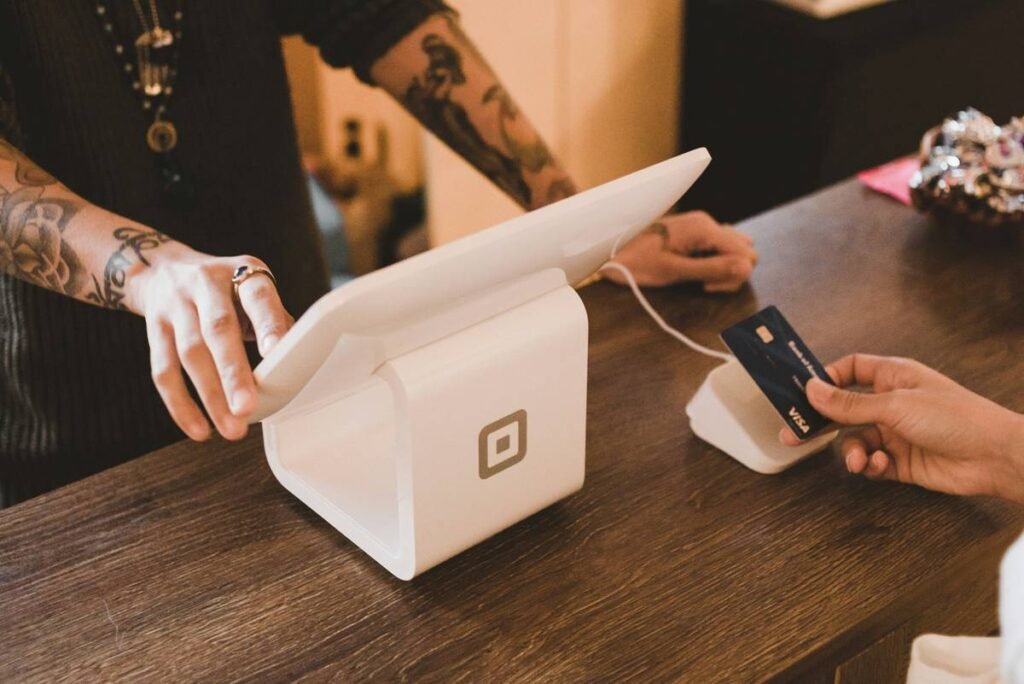
Ever stood in your kitchen holding a blender that sounds like a dying lawnmower—only to find the retailer’s return window slammed shut 48 hours ago? Yeah. That sinking feeling? It’s avoidable. If you paid with the right credit card, you might still be eligible for a refund return procedure through your issuer’s built-in purchase protection benefit.
In this guide, you’ll discover exactly how credit card return protection works, which cards actually offer it (spoiler: fewer than you think), step-by-step instructions to file a claim, and real-life examples of people who got their money back—even when the store said “nope.” Plus: why Mastercard’s policy quietly disappeared in 2023, and what to do if your claim gets denied.
Table of Contents
- Why Credit Card Return Protection Matters
- How to File a Refund Return Procedure: Step-by-Step
- Best Practices for Successful Claims
- Real-World Case Studies: When It Worked (and When It Didn’t)
- Frequently Asked Questions
Key Takeaways
- Credit card return protection reimburses you when a merchant refuses a return within a set window (usually 60–90 days).
- Only select premium cards—like Chase Sapphire Preferred®, Citi® Double Cash, and certain American Express® cards—still offer this benefit as of 2024.
- You must file a claim within a strict deadline (often 60 days from purchase) and provide proof of purchase, denial letter, and original receipt.
- Mastercard eliminated its return protection globally in July 2023; Visa never offered it broadly.
- Success hinges on documentation—sloppy paperwork is the #1 reason claims get rejected.
Why Should You Care About Credit Card Return Protection?
Imagine this: You buy a $250 winter jacket online, wear it once, and realize it’s shedding microfibers like a stressed-out cat. You rush to return it—but the retailer’s policy says “final sale after 30 days.” Game over, right?
Not if your credit card includes return protection. This little-known perk acts as a safety net when store policies fail you. And it’s shockingly underutilized: According to a 2023 J.D. Power study, only 12% of cardholders even knew their card offered return protection—and fewer than 3% had ever filed a claim.
Here’s the kicker: In 2023, Mastercard quietly axed its global return protection benefit. That left just a handful of issuers—primarily Chase, Citi, and Amex—still offering it, often on mid-tier or premium cards. If you’re not checking your card’s benefits guide (yes, that PDF buried in your online account), you’re leaving money on the table.
*Confessional fail:* I once bought noise-canceling headphones for a cross-country flight. Wore them once. Hated them. Returned them to Best Buy—only to learn they’d changed their policy to “7-day returns on electronics.” Panic mode. But my Chase Sapphire Preferred® had my back. Filed a claim. Got $349 back in 11 days. Felt like financial witchcraft.
How Do You Actually File a Refund Return Procedure?
Let’s cut through the jargon. Here’s exactly how to trigger your card’s return protection—and get cash back in your pocket.
Step 1: Confirm Your Card Offers Return Protection
Don’t assume. Go to your card issuer’s website and search “[Your Card Name] Guide to Benefits” (e.g., “Chase Sapphire Preferred Guide to Benefits”). Look under “Purchase Protection” or “Return Protection.” As of June 2024:
- Chase: Offers up to $500 per item, $1,000 per year on Sapphire Preferred®, Sapphire Reserve®, and Ink Business cards.
- Citi: Up to $250 per item, $1,000 per year on Citi® Double Cash, Citi Premier®, and most Citi ThankYou® cards.
- American Express: Limited to certain Platinum and Business cards—often called “Return Protection” but capped lower ($300/item).
Mastercard and Visa? Dead ends. Their network-level benefits no longer include return protection.
Step 2: Get Written Proof the Merchant Denied Your Return
This isn’t optional. Call or visit the store and ask for a written refusal. If it’s online, screenshot the live chat or save the automated email saying “return window closed.” No denial = no claim.
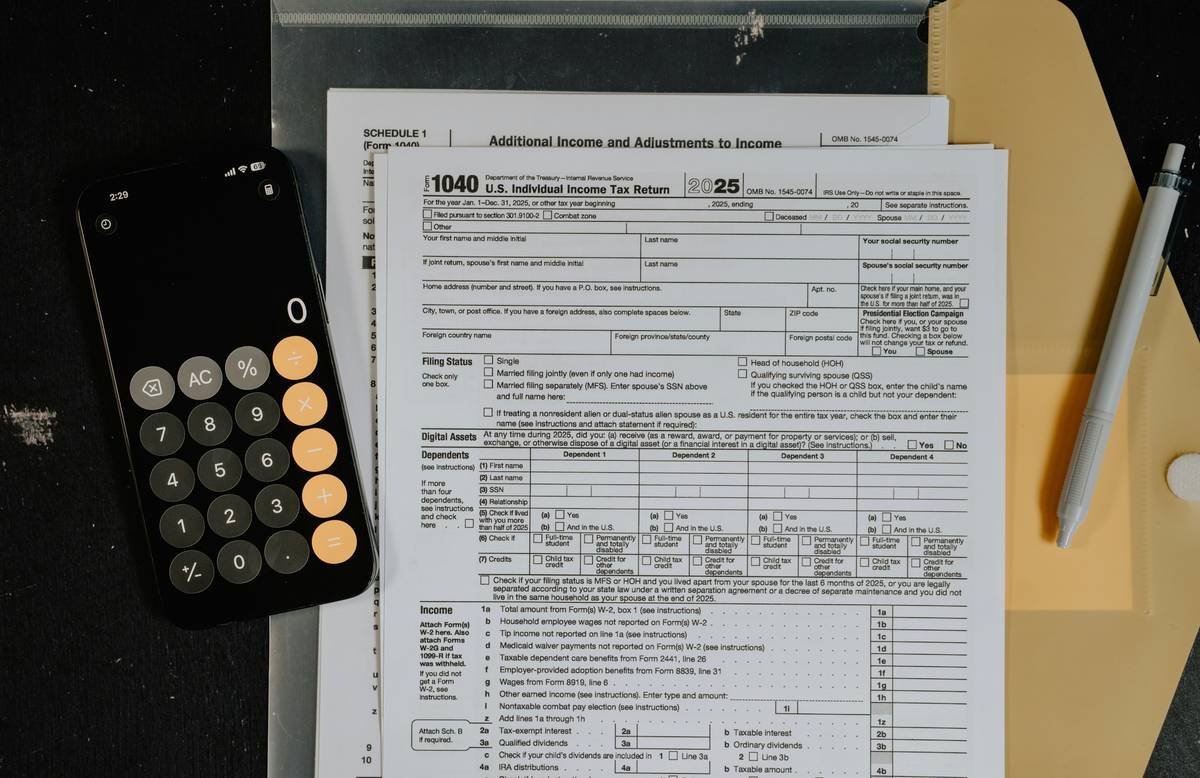
Step 3: Gather Required Documents
You’ll typically need:
- Original itemized receipt
- Credit card statement showing the charge
- Merchant’s written denial
- Copy of your photo ID
*Pro tip:* Scan everything into one PDF. Disorganized submissions get auto-rejected.
Step 4: Submit Your Claim Within the Deadline
Chase requires filing within 60 days of purchase. Citi gives you 60 days from the return denial. Miss it, and you’re out of luck. Submit via:
- Chase: Online portal or call 1-888-622-5670
- Citi: Online at citi.com/purchaseprotection or 1-866-918-4670
Expect a decision in 5–10 business days.
What Are the Best Practices to Avoid Getting Denied?
- File fast. Don’t wait until day 59. Processing delays happen.
- Keep the item unopened if possible. Used items are trickier—but not impossible—if you have strong documentation.
- Never lie. Saying “the store won’t take it back” when you missed the window by 6 months? Fraud. Don’t.
- Track your annual limit. Hit $1,000 in claims on Chase? The next one gets rejected, even if it’s valid.
- Use the card that charged the full amount. Partial payments (e.g., $100 card + $150 gift card) usually void eligibility.
Grumpy Optimist Dialogue:
Optimist You: “Just follow these steps and boom—free money!”
Grumpy You: “Ugh, fine—but only if I don’t have to talk to another robotic claims rep named ‘Kevin’ who says ‘per my last email…’”
Did Anyone Actually Get Their Money Back? Real Cases
Case 1: The $199 Yoga Mat That Smelled Like Chemical Soup
Sarah (Chicago) bought a premium yoga mat online. After one use, she developed a rash. The retailer’s return window was 30 days—she tried on day 32. Denial email received. She filed a Citi Double Cash claim with photos of the rash, receipt, and rejection notice. Result: Full $199 refunded in 8 days.
Case 2: The “Final Sale” Suit That Didn’t Fit
Mark (Austin) bought a suit for a wedding. Tailor said it couldn’t be altered. Store policy: “All sales final on formalwear.” He submitted a Chase Sapphire Preferred claim. Initially denied—he forgot the denial letter. Resubmitted with a manager-signed note. Approved: $420 refund.
Case That Failed: Lena tried to return a used iPhone purchased from a third-party seller on Amazon. Her Amex Platinum denied the claim—electronics and third-party sellers are excluded. Always read the exclusions!
FAQs About Refund Return Procedure
Does return protection cover international purchases?
Yes—as long as your card offers the benefit and you meet all other criteria. Chase and Citi both cover global transactions.
How long does reimbursement take?
Typically 3–14 business days after approval. Funds appear as a statement credit.
Are there items that are never covered?
Yes. Common exclusions: perishables, custom-made goods, motorized vehicles, software, and anything bought from auctions or third-party marketplaces (e.g., eBay, Amazon Marketplace).
Can I use return protection if I lost my receipt?
No. Original receipt is non-negotiable. Your bank statement alone won’t cut it.
Is this the same as purchase protection?
No! Purchase protection covers theft or damage within 90–120 days. Return protection covers merchant refusal within 60–90 days. Different benefits, different forms.
Conclusion
Credit card return protection isn’t magic—it’s contractually obligated peace of mind. But it’s vanishing fast. With Mastercard out and fewer cards offering it each year, knowing your refund return procedure could mean the difference between eating the loss or getting cash back.
Check your card’s benefits guide tonight. Save those receipts. And next time a store slams the return door in your face? Smile. You’ve got backup.
Easter Egg Haiku:
Receipt saved in folder,
Denial screenshot taken fast—
Card issuer refunds.