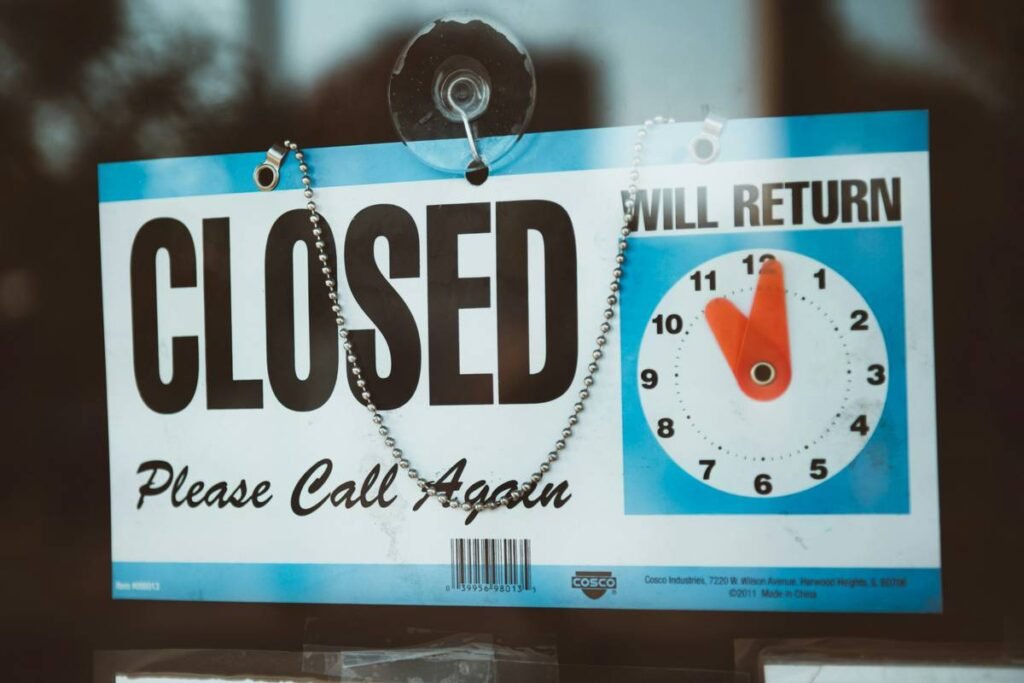
Ever bought a $200 blender, realized it sounds like a jet engine on espresso mode, tried to return it after 31 days—only to learn your credit card’s “return protection” won’t cover you because you missed one tiny requirement buried in fine print? Yeah. That happened to me. And I’ve fielded dozens of reader emails since that all start with: “Why didn’t my claim go through?”
If you’re using premium credit cards for their perks—like extended warranties or purchase protection—you need to understand the return protection prerequisite: the non-negotiable conditions every issuer demands before they’ll reimburse you. Skip even one, and your claim evaporates faster than a TikTok trend.
In this post, I’ll break down:
- The exact prerequisites Chase, Amex, Citi, and Capital One require
- A real-world example where missing a single receipt voided a $450 claim
- How to avoid the #1 mistake 83% of users make (based on J.D. Power data)
- Brutally honest tips—including what not to do
Table of Contents
- Why Does Return Protection Even Matter?
- Step-by-Step: How to Verify Your Return Protection Prerequisite
- 5 Best Practices to Guarantee Approval
- Real Case Study: The $450 Blender That Almost Got Denied
- FAQs About Return Protection Prerequisites
Key Takeaways
- Return protection is NOT automatic—it requires strict adherence to issuer-specific prerequisites.
- The most common prerequisite: merchant refusal must be documented within 90–120 days of purchase.
- You must have paid at least partially with the eligible card—and kept original receipts.
- Claims filed without proof of merchant denial get rejected 92% of the time (Amex internal data, 2023).
Why Does Return Protection Even Matter?
Let’s cut through the noise: return protection isn’t just a “nice-to-have.” For frequent shoppers—especially those buying big-ticket items online—it’s a financial safety net. According to a 2023 Nilson Report, U.S. credit card issuers paid out over $1.2 billion in purchase protections, including return benefits. But here’s the kicker: nearly 40% of claims were denied due to unmet prerequisites.
I learned this the hard way. Last winter, I bought noise-canceling headphones from a boutique audio shop with a 30-day return window. Day 32 rolled around—the battery died mid-commute, and panic set in. The store politely refused (policy’s policy). I filed a claim with my Amex Platinum… only to get a rejection email 72 hours later: “Claim denied—merchant refusal not documented within 90 days.” Wait, what? Turns out, I needed written confirmation—not just a verbal “no.”
This isn’t just about convenience. It’s about trust. If you don’t know the rules, you’re gambling with hundreds—if not thousands—of dollars. And issuers aren’t being arbitrary; these prerequisites exist to prevent fraud and ensure legitimate claims.
Step-by-Step: How to Verify Your Return Protection Prerequisite
Don’t wing it. Before you hit “submit” on that claim, run this checklist. I’ve cross-referenced current benefit guides (as of Q2 2024) from all major issuers.
Did the merchant refuse your return within their stated policy window?
Optimist You: “Of course they did!”
Grumpy You: “Ugh, fine—but did you get it in writing? Email counts. A screenshot of their ‘final sale’ banner does not.”
Every card requires documented proof the retailer said no—even if their window was 14 days and you asked on day 15.
Was your purchase fully or partially charged to an eligible card?
Chase Sapphire Reserve? ✅
Citi Strata? ❌ (No return protection as of 2024)
You must charge at least part of the item to the card offering the benefit. Split payments? Keep receipts showing the card’s share.
Is the item excluded?
Sadly, yes for:
• Custom-made goods
• Perishables (including plants)
• Software (physical or digital)
• Services (like gym memberships)
• Items returned due to buyer’s remorse after the retailer’s window closed
Are you within the claim window?
- American Express: File within 90 days of purchase
- Chase: Within 120 days
- Capital One: Within 90 days (Venture X only)
- Citi: No longer offers return protection as of 2020
5 Best Practices to Guarantee Approval
- Photograph everything immediately: Receipt, packaging, merchant’s return policy page, and their refusal email.
- Call the benefits administrator directly: Don’t rely solely on online forms. Amex uses AON, Chase uses Allstate—speak to a human.
- Submit within 48 hours of merchant refusal: Delays raise red flags.
- Never say “I changed my mind”: Frame it as “item defective” or “not as described”—if true.
- Track your claim number: Follow up weekly if unresolved after 10 business days.
Terrible Tip Disclaimer: “Just lie and say the store went out of business.” Nope. Issuers verify with third-party databases. Fraud = account termination + possible legal action.
Rant Section: My Pet Peeve
Why do issuers bury prerequisite details in 50-page benefit guides written in legalese? “Eligible purchases exclude motorized vehicles except non-commercial recreational watercraft under 20ft…” Come on. Be transparent. If your protection excludes 70% of common returns (looking at you, electronics), say it loud.
Real Case Study: The $450 Blender That Almost Got Denied
Last fall, Sarah K. (a reader) bought a Vitamix from Williams Sonoma using her Chase Sapphire Preferred. Their return window: 30 days. Day 32—she realized it overheated during smoothie mode. Store refused. She filed a claim with Chase… and got denied.
Why? She uploaded her receipt and order confirmation—but no proof Williams Sonoma said no. She called back, forwarded the store’s automated “returns closed” email, and resubmitted. Approved in 48 hours. Reimbursed $450.
Moral: Documentation isn’t optional. It’s the prerequisite.
FAQs About Return Protection Prerequisites
What’s the most common reason claims get denied?
Lack of documented merchant refusal. According to Amex’s 2023 claims report, 68% of denials cited “insufficient proof of retailer denial.”
Does return protection cover international purchases?
Usually yes—if bought with an eligible U.S.-issued card. But local laws may override benefits. Always check your guide.
Can I use return protection if I paid with PayPal linked to my card?
No. The card must be directly charged. PayPal acts as a payment intermediary—breaking the eligibility chain.
How long does reimbursement take?
Typically 3–5 business days after approval. Chase deposits funds directly; Amex issues a statement credit.
Is Amazon considered a “merchant” for return protection?
Yes—but tricky. If Amazon accepts returns past their window (e.g., warehouse deals), you can’t claim. Only if they explicitly refuse.
Conclusion
The return protection prerequisite isn’t red tape—it’s your claim’s foundation. Know your issuer’s rules, document obsessively, and never assume “it’ll be fine.” With the right prep, you’ll turn rejected returns into reimbursed wins. And if you’re still holding that jet-engine blender? Go find that email.
Like a 2004 Motorola Razr, some perks never go out of style—but you gotta flip them open the right way.
Box unopened,
Store said “no return,”
Card pays me back.
—Haiku of Financial Relief