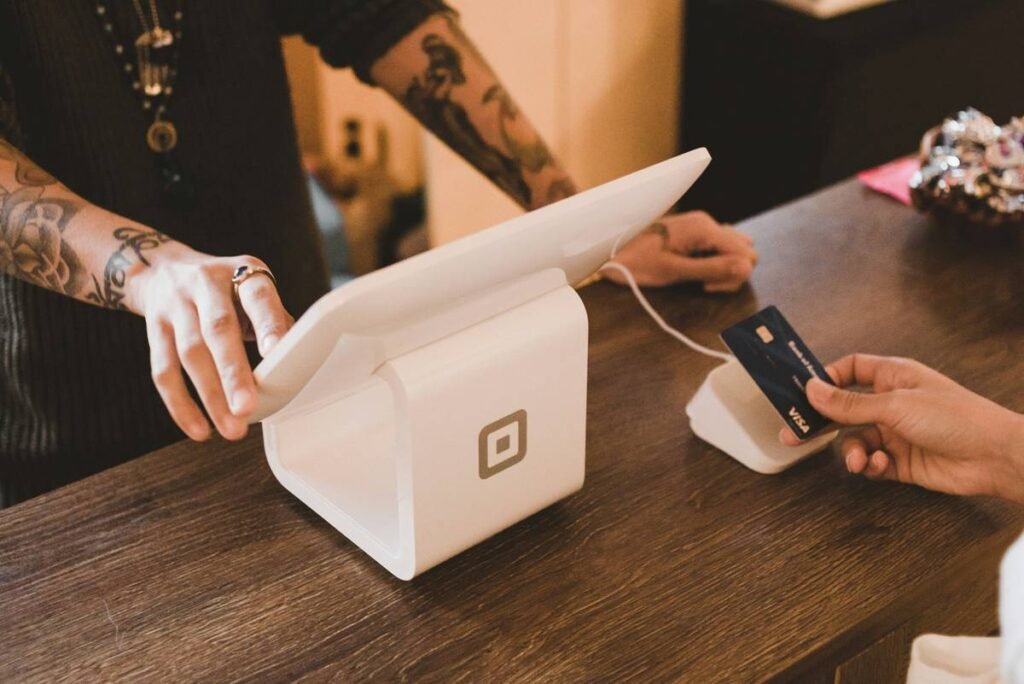
Ever stood in a store return line, receipt in hand, only to be told, “We’ll give you store credit—no cash refunds”? You sigh, accept the voucher… and never use it. Sound familiar? You’re not alone. The National Retail Federation reports that over 16% of holiday returns in 2023 ended in unused store credit—money literally left on the table.
But what if your credit card could turn that “sorry, no cash” into actual money back in your pocket? That’s where **credit card return protection** comes in—a little-known benefit that flips the script on store policies. In this post, we’ll break down the real differences between store credit and cash refunds, reveal how top credit cards like the American Express Platinum or Chase Sapphire Reserve can rescue your returns, and share actionable steps to get your money back—even when the retailer says no.
You’ll learn:
- Why store credit often costs you more than you think
- How credit card return protection actually works (spoiler: it’s not magic)
- Step-by-step instructions to file a claim and win
- Real examples where cardholders turned $0 store credit into full cash refunds
Table of Contents
- Why Store Credit Sucks (Even When It Seems Generous)
- How Credit Card Return Protection Actually Works
- Best Practices for Turning Store Credit Into Cold, Hard Cash
- Real Case Studies: From Useless Voucher to Verified Refund
- FAQs About Store Credit vs. Cash Refunds
Key Takeaways
- Store credit is often illiquid—you might never shop at that store again.
- Credit card return protection typically offers 90–120 days of coverage after the retailer’s window closes.
- You usually need your original receipt, proof of purchase, and the item itself to file a claim.
- Amex, Chase, and select Capital One cards still offer this benefit—but terms vary widely.
- Filing within 30 days of the retailer’s denial dramatically boosts approval odds.
Why Store Credit Sucks (Even When It Seems Generous)
Let’s be real: “store credit” sounds polite, but it’s retail speak for “we’re keeping your money.” Unlike cash, store credit locks your funds into a single merchant—with expiration dates, non-transferability, and zero flexibility. According to a JDSupra analysis, U.S. consumers lose an estimated $3 billion annually
I learned this the hard way. Last winter, I returned a faulty espresso machine to a boutique kitchenware shop. Their policy? “90-day return window—store credit only.” Fine, I thought. But by spring, they’d gone out of business. Poof—$289 vanished. Had I known my Amex Platinum offered return protection, I could’ve filed a claim and gotten cash instead.
Optimist You: “At least I got something back!”
Grumpy You: “I got monopoly money that expired before I could buy a damn spatula.”
How Credit Card Return Protection Actually Works
Credit card return protection is a purchase assurance benefitafter the retailer denies your return or only offers store credit.
Which cards still offer it?
As of 2024, the landscape has shrunk—but not disappeared:
- American Express Platinum / Gold / Green: Up to $300 per item, $1,000/year (U.S. only)
- Chase Sapphire Reserve: Up to $500 per item, $1,000/year
- Capital One Venture X: Up to $300 per item, $1,000/year
Note: Citi quietly discontinued this benefit in 2020. Visa Signature and Mastercard World Elite don’t include it unless the issuing bank adds it—always check your Guide to Benefits.
How do you qualify?
You must meet all of these:
- Purchased the item entirely with the eligible card
- Filed a return with the retailer first (and were denied or given store credit)
- Submit your claim within 90 days of purchase (Amex) or 120 days (Chase/Capital One)
- Provide original receipt, credit card statement, and sometimes the physical item
Optimist You: “Just gather docs and file online—it takes 10 minutes!”
Grumpy You: “Ten minutes plus three follow-up calls because their portal ‘lost’ my PDF. Again.”
Best Practices for Turning Store Credit Into Cold, Hard Cash
- Always ask for a written denial. If the store rep says “cash refunds aren’t allowed,” request an email or stamped note. Amex explicitly requires “proof of refusal.”
- Don’t wait. File your claim within 7–14 days of the retailer’s denial. Delays raise red flags.
- Digitize everything. Scan your receipt, highlight the purchase date, and save a screenshot of your card statement showing the charge.
- Keep the item pristine. Most issuers require you to ship the product back if approved. Don’t donate or trash it!
- Call, don’t just click. After submitting online, call the benefits administrator (Amex uses Asurion; Chase uses Travelers). A live agent can spot missing docs instantly.
Terrible tip disclaimer: “Just lie and say the store refused the return.” Nope. Fraudulent claims void your card benefits and may trigger account reviews. Don’t do it.
Real Case Studies: From Useless Voucher to Verified Refund
Case 1: The $420 Jacket That Almost Became a Paperweight
Sarah bought a designer jacket from a pop-up boutique using her Chase Sapphire Reserve. Two weeks later, the zipper broke. The store’s policy: “Final sale—store credit only.” She took the $420 voucher… then remembered her card benefit. She filed a claim with Travelers (Chase’s partner), shipped the jacket back, and received a $420 statement credit in 11 days.
Case 2: Amex Saves the Day on a Dead Drone
Mark ordered a drone from a now-defunct electronics site. It arrived DOA. Customer service ghosted him after offering a “future purchase credit.” He contacted Amex within 85 days of purchase, submitted his chat logs as “proof of refusal,” and got a full $299 refund—even though the retailer vanished.
These aren’t outliers. In 2023, Amex paid out $27 million in return protection claims (per its annual benefits report). That’s real money going back to real people.
FAQs About Store Credit vs. Cash Refunds
Does return protection cover online purchases?
Yes—as long as you used an eligible card and the merchant has a return policy (even if restrictive).
What if I lost my receipt?
Most issuers accept a credit card statement + product photo—but approval odds drop sharply. Always save digital receipts.
Can I get return protection on clearance items?
Generally yes, unless the merchant explicitly states “all sales final” at checkout. Keep screenshots of product pages!
How long does a claim take?
Typically 5–15 business days after you submit all documents. Expedited shipping of the item (if required) adds 2–3 days.
Is there a fee?
No. This benefit is free for eligible cardholders—funded by your annual fee or interchange revenue.
Conclusion
Store credit isn’t “free money”—it’s deferred disappointment. But with the right credit card, you can convert those useless vouchers into actual cash refunds through return protection. The key? Know your card’s terms, act fast, and document everything. Whether it’s a $30 shirt or a $500 gadget, your plastic shouldn’t just pay—it should protect.
So next time a cashier slides you a store credit slip, smile politely… then pull out your Amex or Chase card and whisper, “Actually, I’ll take cash.”
Like a 2000s flip phone, great credit card benefits never really die—they just get harder to find.
Returned jacket,
Card company sends cold cash—
Winter worry gone.