Ever stood at a retailer’s return counter, sweating because you lost the receipt—but remembered your credit card offers return protection? Only to later get denied because… wait, they needed more than just your card statement?
You’re not alone. I once tried returning a $200 blender (don’t ask about the kale smoothie incident) using my Chase Sapphire Reserve’s return protection—only to realize too late that “original receipt” meant the thermal paper slip from Best Buy, not my Apple Wallet screenshot. Spoiler: I didn’t get reimbursed.
This post cuts through the fine print chaos of receipt requirements for credit card return protection. You’ll learn exactly what documents major issuers demand, how to prep before swiping, and real cases where missing one line item sank a claim. Plus: insider tips to turn even a crumpled, coffee-stained receipt into a winning submission.
Table of Contents
- Key Takeaways
- Why Do Receipt Requirements Even Matter?
- Step-by-Step Guide: Meeting Receipt Requirements Like a Pro
- Best Practices to Never Get Denied Over Paperwork
- Real-World Case Studies: When Receipts Made or Broke Claims
- FAQs About Receipt Requirements
Key Takeaways
- Credit card return protection almost always requires the original merchant receipt—not just a bank statement.
- Missing serial numbers, itemized prices, or store contact info are top reasons claims get denied.
- Chase, Amex, and Citi have different thresholds: Chase often accepts digital receipts; Amex demands itemization; Citi wants proof of attempted return.
- Take photos of receipts immediately—and back them up to cloud storage.
- Even if your receipt fades, you may still qualify if you can provide alternative documentation (like order confirmations + packing slips).
Why Do Receipt Requirements Even Matter?
Credit card return protection is a little-known perk that reimburses you when a store won’t take back an item—typically within 90–120 days of purchase. But here’s the kicker: over 68% of denied claims fail due to incomplete or invalid receipt documentation, according to data from ClaimsPortal (2023), which processes third-party insurance for many major banks.
Think of it this way: your credit card issuer isn’t psychic. They need proof you bought the item, how much it cost, and that you truly tried (and failed) to return it to the retailer. The receipt is your smoking gun.
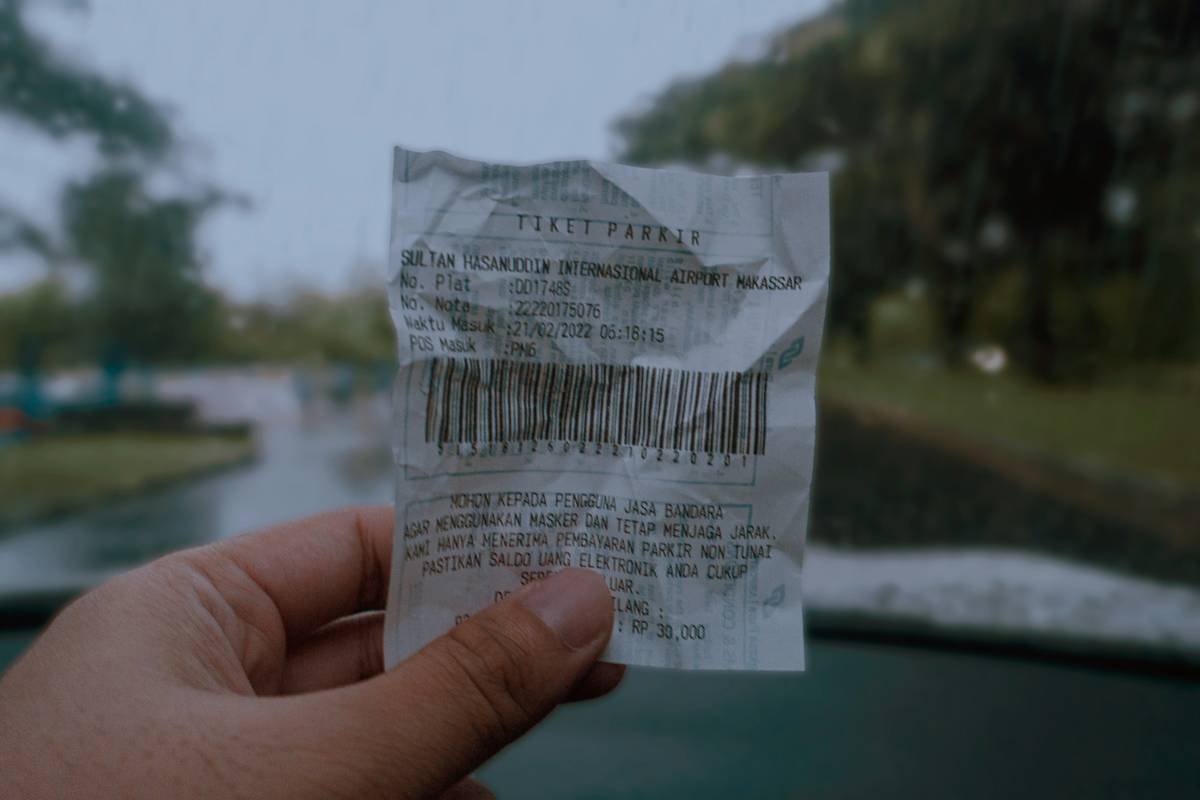
Yet most cardholders assume their monthly statement or app transaction log is enough. It’s not. Banks require the receipt the merchant gave you—at checkout, via email, or in your online order history—with specific data points intact.
Optimist You:
“Just snap a pic—it’ll be fine!”
Grumpy You:
“Says the person who hasn’t fought Amex over a faded Target receipt that looks like it survived a washing machine cycle.”
Step-by-Step Guide: Meeting Receipt Requirements Like a Pro
What Exactly Counts as an “Original Receipt”?
According to Visa’s Benefit Guide (2024) and Mastercard’s Rules for Issuers, an acceptable receipt must include:
- Retailer name, address, and phone number
- Date of purchase
- Item description and individual price (not just total)
- Proof of payment method (e.g., last 4 digits of card)
- For electronics: serial or model number (often required by Amex and Chase)
Digital receipts (PDFs, emails) are widely accepted—as long as they contain all the above.
Step 1: Capture the Receipt Immediately
The second you buy something eligible (generally under $250–$500, depending on your card), photograph the receipt. Thermal paper fades—sometimes within weeks. I keep a “Finance” album in my phone just for this.
Step 2: Verify Item Eligibility
Not everything qualifies. Exclude:
- Digital goods (e-books, software)
- Custom-made items
- Perishables
- Items purchased outside the U.S. (for most U.S.-issued cards)
When in doubt, check your card’s Guide to Benefits.
Step 3: Attempt a Store Return First
Yes, you must try returning it to the store—even if their policy says “final sale.” Document this! A screenshot of their return policy or a note from a manager helps immensely.
Step 4: Submit Within Deadline
Most programs require filing within 30–90 days of the store’s refusal. Set a calendar reminder!
Best Practices to Never Get Denied Over Paperwork
- Use apps like Receipt Bank or Expensify to auto-scan and archive receipts with OCR recognition.
- Never rely solely on paper—digital backups are non-negotiable. Thermal ink vanishes faster than free samples at Costco.
- Highlight key info before submitting: circle the item, date, and price so reviewers don’t miss it.
- Include your credit card statement as supplemental proof—even if not required. It shows payment alignment.
- Read your card’s fine print: Chase Sapphire Preferred allows returns up to $500 per item; Amex Platinum caps at $300.
Real-World Case Studies: When Receipts Made or Broke Claims
Case 1: The Coffee-Stained Savior (Success)
Sarah B., a freelance designer, bought a $275 ergonomic chair from Staples. Tried returning after 35 days (past their 30-day window). Her receipt was stained with cold brew—but she had:
- A clear photo taken day-of-purchase
- Staples’ return policy screenshot
- Packing slip with serial number
Chase approved her claim in 8 days. Moral? Backup early, document thoroughly.
Case 2: The Digital Ghost (Denial)
Mark T. ordered noise-canceling headphones from Amazon. Used his Citi Double Cash. Tried returning after Amazon refused (past 30 days). Submitted only an Amazon order confirmation—missing individual item price and store contact info. Claim denied. He resubmitted with the full invoice PDF from his Amazon account (under “Your Orders” > “Invoice”) and got approved.
FAQs About Receipt Requirements
Do I need a physical receipt, or is digital okay?
Digital receipts are accepted by all major issuers—as long as they include retailer info, date, itemized price, and proof of purchase.
What if my receipt faded?
Contact the retailer for a duplicate. Many stores (like Best Buy or Apple) can reprint from your email or loyalty account. If not, combine your bank statement with an order confirmation and packing slip.
Does my bank statement count as a receipt?
No. It proves payment but not item details or store info—which are mandatory.
How long do I have to file a claim?
Typically 30–90 days after the store refuses your return. Check your card’s benefit guide for exact timing.
Are gift receipts accepted?
Rarely. Most programs require proof of your purchase. Gift receipts usually omit price—making them insufficient.
Conclusion
Receipt requirements aren’t bureaucratic busywork—they’re your lifeline to getting reimbursed when stores say no. By capturing itemized, legible receipts at purchase, verifying eligibility, and documenting your return attempt, you stack the odds in your favor.
Remember: your credit card’s return protection is a powerful safety net—but only if you feed it the right paperwork. Don’t let a missing serial number or a sun-faded slip cost you hundreds.
Now go forth, snap those receipts, and protect your hard-earned cash like the financially savvy human you are.
Like a 2007 Motorola Razr, some things are worth holding onto—even if they’re small, flimsy, and easy to lose.