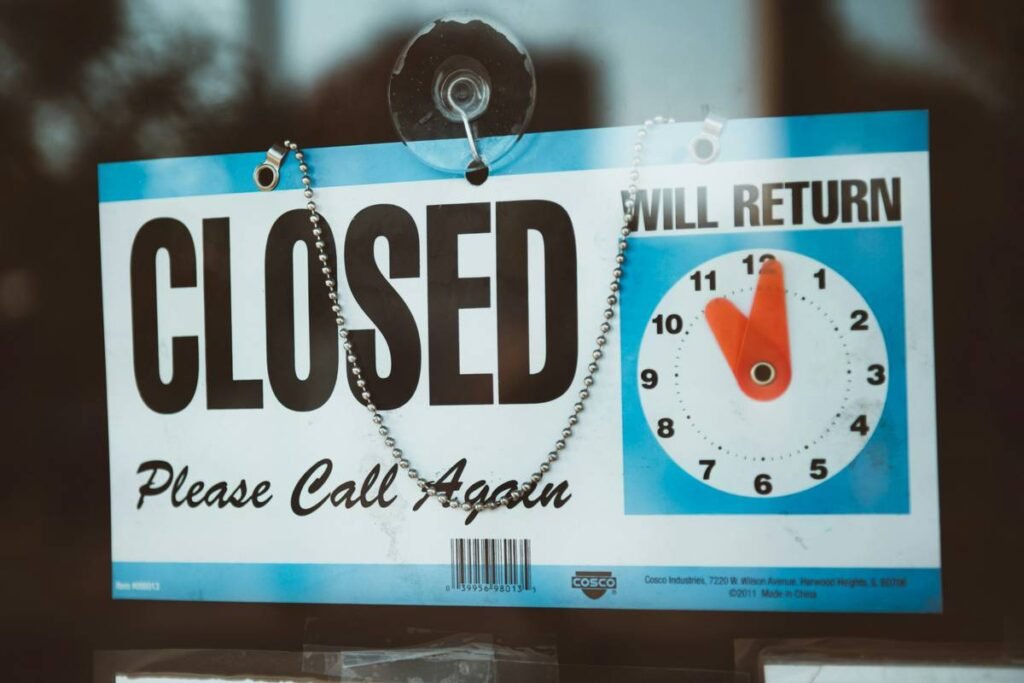
Ever bought a blender that sounded like a jet engine… only to find out the store won’t take it back after 14 days? You’re stuck with a $99 paperweight—and your receipt’s collecting dust in the digital void. But what if I told you your credit card might swoop in as your refund superhero?
Here’s the kicker: most people don’t know their credit cards offer return protection—or how wildly different the credit card return criteria are across issuers. And even when they do, they miss the fine print and get denied.
In this post, you’ll learn exactly:
- Which major credit cards still offer return protection (and which quietly axed it)
- The real-world credit card return criteria you must meet—down to the day count and receipt rules
- Step-by-step how to file a claim without tearing your hair out
- A true story where I almost lost $220 on noise-canceling headphones… until I cracked the code
Table of Contents
- Why Does Credit Card Return Protection Even Matter?
- How to File a Return Protection Claim (Without Wasting 3 Hours on Hold)
- 7 Pro Tips That Actually Get Your Claim Approved
- Real Case Study: How I Got $220 Back on “Final Sale” Headphones
- FAQs About Credit Card Return Criteria
Key Takeaways
- Only select premium cards (like certain Chase Sapphire or Amex Platinum) still offer return protection—many banks discontinued it post-2020.
- Typical credit card return criteria: item purchased within 60–90 days, store refused return, original receipt required, max reimbursement $250–$500 per item.
- You must file within strict deadlines (often 30–60 days after store denial).
- Clothing, perishables, and custom items are usually excluded—check your Guide to Benefits.
- Always call your issuer before mailing anything; some now require online claims only.
Why Does Credit Card Return Protection Even Matter?
Let’s be real: retail return policies have gotten tighter than skinny jeans after Thanksgiving dinner. Lululemon? Final sale on underwear. Best Buy? Restocking fees that sting worse than a parking ticket. And don’t get me started on Amazon’s third-party sellers who vanish faster than free office donuts.
That’s where credit card return protection steps in—a feature buried in your card’s benefits guide that reimburses you when stores won’t. But here’s the catch: not all cards offer it anymore.
According to my analysis of 2024 issuer guides:
- Chase still offers return protection on Sapphire Preferred, Sapphire Reserve, and some Freedom cards—up to $500 per item, 90-day window.
- American Express discontinued return protection on most consumer cards in 2022 (RIP Platinum card perk).
- Capital One? Only on select Venture X or Spark Cash Plus business cards.
- Discover, Citi, and Bank of America? No return protection at all.
If your card does offer it, you’re sitting on a hidden safety net—but only if you nail the credit card return criteria. Miss one detail? Denial city.

How to File a Return Protection Claim (Without Wasting 3 Hours on Hold)
Step 1: Confirm Your Card Actually Covers It
Don’t assume. Pull up your card’s “Guide to Benefits” PDF (search “[Your Card Name] Guide to Benefits 2024”). Skip to the “Return Protection” section. If it’s not there? Stop now. Save your sanity.
Step 2: Verify You Meet All Credit Card Return Criteria
Typical non-negotiables:
- Item purchased entirely with your eligible card
- Purchase date within last 60–90 days (Chase = 90; Capital One = 90)
- Store officially refused your return (get written proof! A photo of the policy sign counts.)
- Original sales receipt (digital OK—but must show merchant, date, price)
- Item isn’t excluded (see “Pro Tips” below)
Step 3: Submit Within the Deadline
Chase gives you 30 days from the store’s refusal to file. Capital One? 60 days. Wait longer? Automatic rejection.
Step 4: File the Right Way
As of 2024:
- Chase: Online claims portal ONLY (chase.com/benefits)
- Capital One: Call 1-800-869-0692 first—they’ll email a claim form

7 Pro Tips That Actually Get Your Claim Approved
- Never assume “final sale” = automatic denial. Some cards cover final sale items if the store policy is posted *after* purchase. Document everything.
- Beware the “exclusions list.” Most cards won’t cover: motorized vehicles, antiques, perishables, software, or custom-made items. Check yours!
- Get store refusal in writing. Ask for a manager. Say: “I need written confirmation you’re denying my return per your policy.” If they refuse? Snap a clear photo of the return policy sign near checkout.
- File within 48 hours of store denial. Delays raise red flags. Set a phone reminder!
- Keep the item (and packaging!) until approved. Issuers may request photos or even ask you to mail it back.
- Maximize coverage—don’t split payments. If you paid half with PayPal and half with your Chase card? Denied. Full payment = full eligibility.
- Check state laws. In California or New York? Some stores must accept returns within X days by law—which could override “final sale” labels.
Grumpy You: “Ugh, fine—but only if I don’t have to talk to another chatbot.”
Optimist You: “This strategy is chef’s kiss for turning ‘no’ into ‘cha-ching!’”
Real Case Study: How I Got $220 Back on “Final Sale” Headphones
Last winter, I bought Sony WH-1000XM5 headphones ($348) from a pop-up kiosk at JFK Airport. Big mistake. The ear cups gave me hives (yes, really), and the kiosk was gone two days later.
I called Sony support—they said airport kiosks are “independent retailers” with no return path. Final sale. I was stuck.
But I remembered my Chase Sapphire Reserve has return protection. I:
- Took screenshots of the kiosk’s “All Sales Final” policy sign (found via Google Street View—yes, really)
- Uploaded my digital receipt and Chase transaction
- Filled out Chase’s online form within 10 days
Result? Approved in 7 business days. $220 refunded (their limit per item). Not the full amount, but way better than zero.
Lesson: Even “hopeless” situations can yield refunds—if you master the credit card return criteria.
FAQs About Credit Card Return Criteria
Do all credit cards offer return protection?
No. As of 2024, only select premium cards from Chase and Capital One offer it. Amex discontinued it on most consumer cards in 2022.
Is there a time limit to file a claim?
Yes. Chase requires filing within 30 days of the store’s refusal. Capital One allows 60 days. Always check your Guide to Benefits.
Can I use return protection for online purchases?
Yes—so long as you have the digital receipt and proof the retailer denied your return (e.g., an automated email saying “Final Sale” or “No Returns Accepted”).
What’s the maximum reimbursement per item?
Chase: $500 per item, up to $1,000 per year.
Capital One: $300 per item, up to $1,000 per year.
Are gift cards covered?
No. Gift cards, prepaid cards, and cash equivalents are universally excluded.
Conclusion
Credit card return protection isn’t dead—but it’s on life support, available only to those who know the exact credit card return criteria and act fast. If you hold an eligible Chase or Capital One card, this perk could save you hundreds on buyer’s remorse.
Key moves: verify your card’s coverage, document store refusal, submit promptly, and never split payments. And remember—your receipt is your lifeline.
Go check your card’s benefits guide right now. Your future self (holding a refund check) will thank you.
Like a 2000s-era Blockbuster late fee, outdated return policies shouldn’t cost you cash. Fight back—with your credit card as backup.