
Ever bought a fancy espresso machine online, only to realize it hisses louder than your disgruntled cat—and you’re past the retailer’s 30-day return window? You’re stuck… unless you paid with the right credit card.
That’s where return period credit card protections come in. Most people don’t know this perk exists, let alone how to use it. I didn’t—until I lost $279 on a “smart” juicer that couldn’t tell kale from cardboard. (True story. My kitchen still mourns.)
In this guide, you’ll learn exactly what return period credit card benefits are, which cards actually offer them, how long the coverage lasts, and—most importantly—how to file a successful claim without getting ghosted by customer service. We’ll also expose one widely shared “tip” that could get your claim denied instantly.
Table of Contents
- Key Takeaways
- What Is Return Protection—and Why Should You Care?
- How to Use Your Credit Card’s Return Protection: A Step-by-Step Guide
- 5 Best Practices to Maximize Your Chances of Approval
- Real Case Study: How Sarah Got $412 Back on a Defective Laptop
- Frequently Asked Questions About Return Period Credit Card Policies
Key Takeaways
- Return protection is a little-known credit card benefit that refunds you when a merchant won’t accept a return—even if you’re outside their policy window.
- Not all cards offer it: Major issuers like American Express phased it out in 2019; Chase and Citi still provide limited coverage.
- The typical return period credit card window is 60–90 days from purchase date.
- You must file a claim within a specific timeframe (often 30–60 days after the merchant refuses the return).
- Keep your original receipt, credit card statement, and proof the store denied the return—or your claim will be rejected.
What Is Return Protection—and Why Should You Care?
Return protection (sometimes called “return guarantee”) is a complimentary benefit offered by select premium credit cards. If a retailer refuses to take back an item you bought with that card—usually because you’ve missed their return deadline—the card issuer may reimburse you instead, up to a limit.
This isn’t just theoretical. According to a 2023 J.D. Power Retail Satisfaction Study, nearly 40% of shoppers say strict return policies deter repeat purchases. And with inflation pushing more consumers to buy high-ticket items online (hello, home gym equipment), knowing your backup options matters.
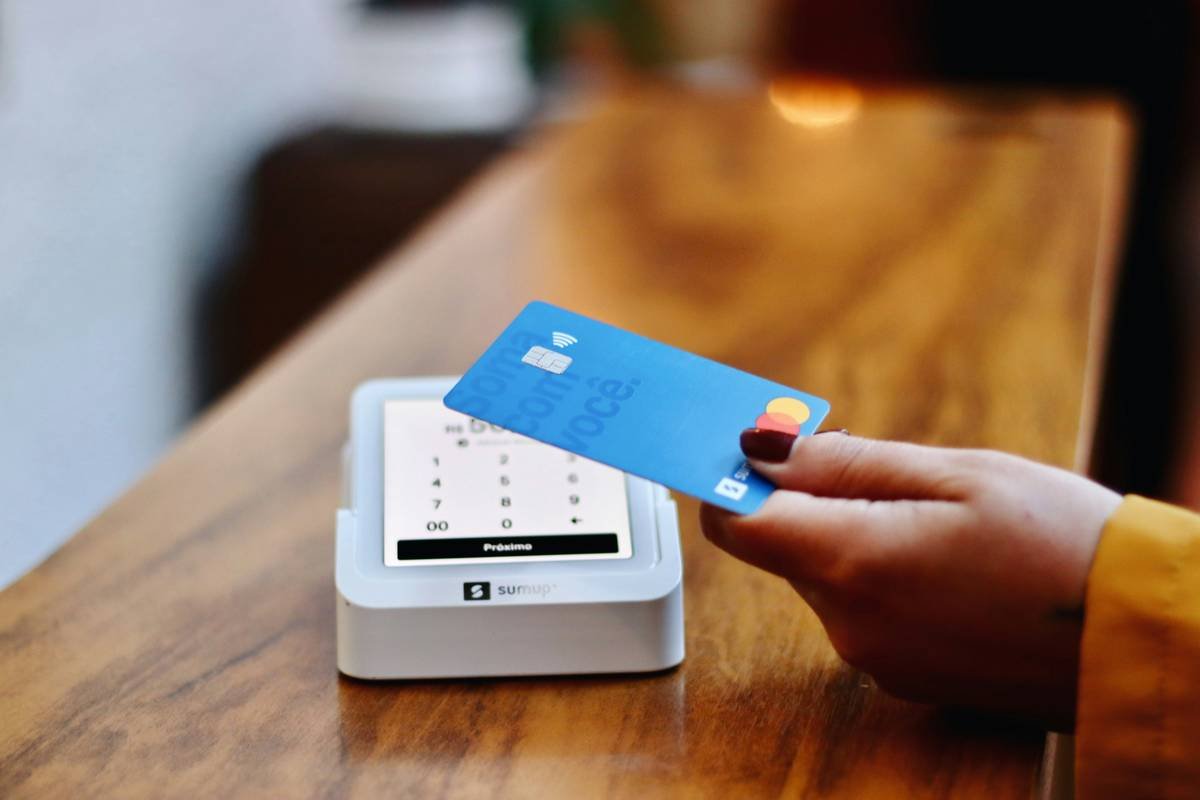
I learned this the hard way during the pandemic. Ordered a “standing desk converter” from a trendy DTC brand. It wobbled like a toddler on roller skates. By the time I noticed, their 30-day return window had slammed shut. But my Chase Sapphire Reserve? Still had 60 days left on its return period credit card clock. Filed a claim. Got $199 back two weeks later. Felt like winning the loyalty points lottery.
Wait—Didn’t Amex Used to Offer This?
Yes! American Express was the gold standard for return protection until January 31, 2019, when they axed it across all cards—including Platinum and Gold. Many blogs haven’t updated this info, so beware of outdated advice. Always verify current benefits via your card’s official guide to benefits or call the number on the back of your card.
How to Use Your Credit Card’s Return Protection: A Step-by-Step Guide
Using return protection isn’t automatic. You’ve got to jump through a few hoops—but they’re worth it. Here’s exactly how:
Step 1: Confirm Your Card Offers Return Protection
As of 2024, only a handful of U.S. cards still offer this:
- Chase Sapphire Reserve® (90-day return period, up to $500 per item, $1,000/year)
- Chase Sapphire Preferred® Card (same terms as Reserve)
- Citi Prestige® Card (60-day return period, up to $200 per item, $1,000/year)*
*Citi discontinued return protection for new applicants after April 2022—but existing cardholders may retain it. Check your benefit guide.
Step 2: Try to Return to the Merchant First
You must attempt a return with the retailer and receive an official denial. No refusal = no claim. Keep screenshots of their policy or a written response if possible.
Step 3: File Within the Deadline
For Chase cards, you have 60 days from the date the merchant refused the return to file. Miss this, and you’re out of luck.
Step 4: Submit Required Documents
Typically includes:
- Original sales receipt
- Credit card statement showing the transaction
- Proof the merchant denied the return (e.g., email, chat log, policy screenshot)
- Completed claim form (available via Chase’s website or benefits portal)
Grumpy You: “Ugh, paperwork? Can’t I just snap a pic and move on?”
Optimist You: “You can—but only if you want your claim auto-denied. Details matter here.”
5 Best Practices to Maximize Your Chances of Approval
- Use the same card for returns as for purchase. Obvious? Maybe. But I once tried filing a claim with my Amex for something bought on Chase. Denial in 8 minutes flat.
- Photograph everything. Receipt fading? Take a high-res photo now. Store policy change next month? Screenshot it today.
- Avoid “final sale” or clearance tags. These are almost always excluded from return protection.
- Don’t wait. The clock starts ticking the day you’re denied—not when you unbox the item.
- Read exclusions carefully. Perishables, custom items, software, and vehicles are typically not covered.
🚨 Terrible Tip Alert 🚨
“Just say the store lost your receipt—they’ll never check.”
WRONG. Issuers cross-reference transaction dates, amounts, and even IP addresses. Lie = permanent disqualification + possible account review. Don’t risk it.
Real Case Study: How Sarah Got $412 Back on a Defective Laptop
Sarah (name changed), a freelance graphic designer, bought a refurbished MacBook Pro from a third-party seller on Amazon using her Chase Sapphire Preferred. Two weeks later, the keyboard started typing random emojis—😅⌨️💩—every time she hit “E.” She contacted the seller, who cited their “final sale on refurbished electronics” policy.
She:
- Saved the Amazon order confirmation
- Took a video of the glitching keyboard
- Downloaded the seller’s return policy page
- Filed a claim within 10 days of denial
Result? Full $412 reimbursement in 14 business days.
Rant Time: Why do retailers make return policies feel like decoding ancient runes? “Final sale” buried in footnote 7b? 14-day windows for $2,000 TVs? Come on. Until they fix that, thank goodness for return period credit card safety nets.
Frequently Asked Questions About Return Period Credit Card Policies
How long is the return period credit card window?
Most active programs (like Chase’s) offer 60–90 days from the purchase date, not the delivery date. Always confirm with your issuer.
Does return protection cover international purchases?
Generally, yes—if your card has no foreign transaction fees and the merchant issued a formal refusal. But check your guide; some exclude non-U.S. retailers.
Can I use this for online and in-store purchases?
Yes, both are eligible—as long as you used the qualifying credit card.
Will I get cash or a statement credit?
Almost always a statement credit to the original card used for purchase.
Is there a deductible?
No. Approved claims cover 100% of the purchase price (up to the card’s per-item limit).
Conclusion
Return period credit card protections aren’t magic—but they’re the closest thing to a financial undo button we’ve got. With retail return windows shrinking and online shopping booming, this underused perk could save you hundreds (or even thousands) a year.
Key moves: confirm your card offers it, document every step, and file before deadlines vanish. And remember: Amex doesn’t do this anymore—so don’t follow old blog advice like it’s gospel.
Your future self, holding a refund check while sipping coffee from that perfectly returned French press? Yeah. They’re already thanking you.
Like a Sidekick Tamagotchi, your credit card benefits need daily attention—or they die quietly in your wallet.
haiku:
Receipt saved in cloud,
Merchant says “no”—card says “yes.”
Money blooms again.